Why Estheticians Use Jelly Masks and When They Are Safe for Home Use
Structured sequencing is essential in professional facial protocols. Each step prepares the skin for the next phase, and the final mask stage often has the greatest influence on recovery, hydration stability, and visible outcomes. Not all masks are appropriate for post-procedure skin, making careful selection critical after exfoliation, extractions, microneedling, or device-based treatments.
Professional jelly masks function as hydration sealers, thermal regulators, and barrier-support systems within advanced clinical treatments. Their role is not cosmetic or decorative. Stabilizing the skin environment after stimulation is their primary purpose.
Formulations such as Luminous Skin Lab Jelly Masks used in the treatment rooms, typically incorporate alginate matrices, electrolyte systems, and advanced hydration-binding complexes, including Poly-Luronic™ (PGA + HA). This high-performance humectant network enhances water retention while supporting barrier integrity. These structural features help practitioners manage occlusion, minimize transepidermal water loss (TEWL), reduce post-treatment heat, and promote predictable treatment outcomes.This is why jelly masks appear so frequently in professional protocols and also helps clarify when professional-grade options may be appropriate, or when jelly masks may be safely used as part of guided home care.
What Role Do Jelly Masks Play in Professional Facials?
Licensed professionals follow treatment logic rather than trends. The placement of a mask within a protocol determines its purpose and performance.
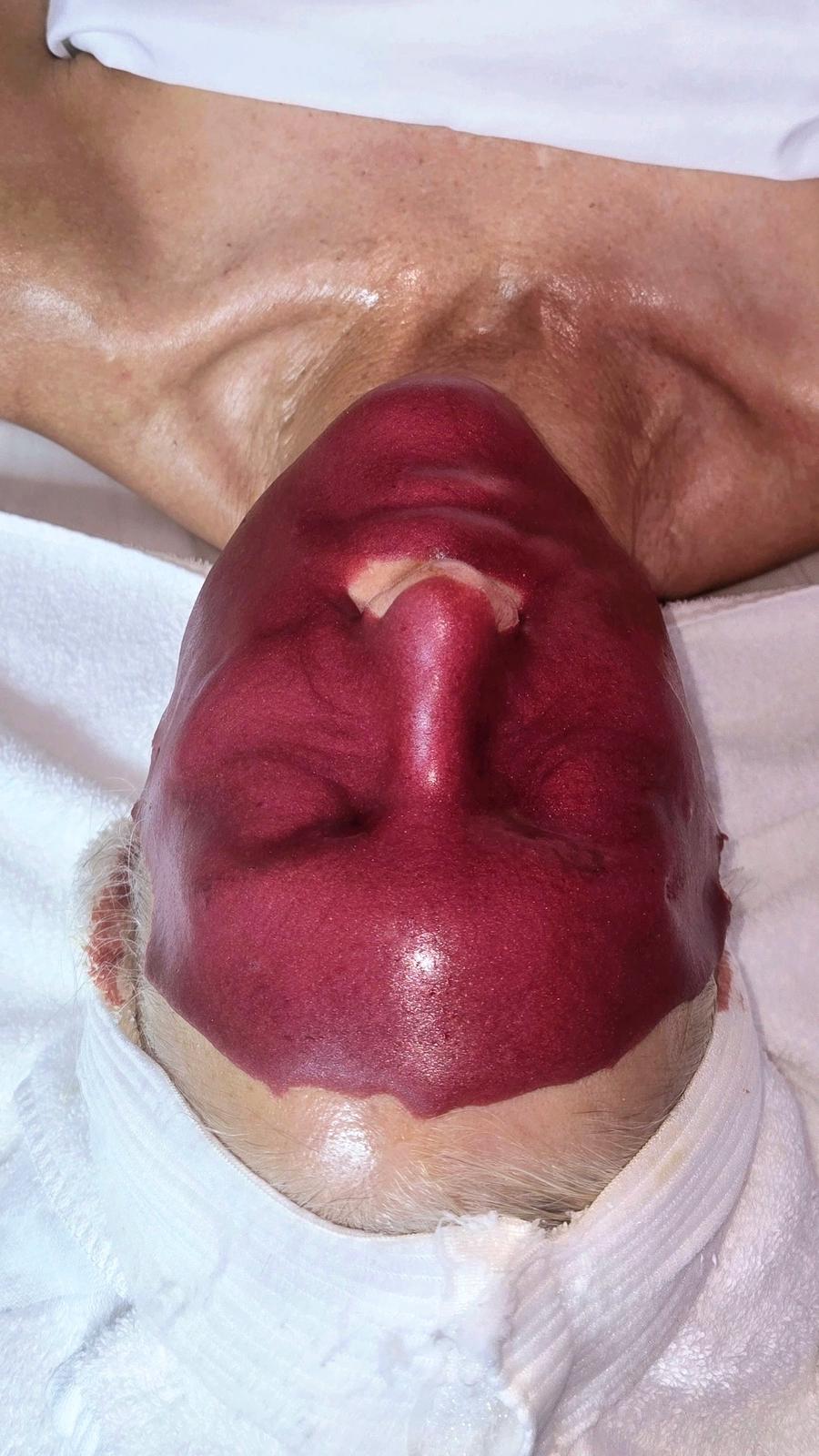
In most professional facials, jelly masks are applied at the end of the treatment sequence. At this stage, the skin has already been cleansed, exfoliated, or treated. Used as a finishing step, a jelly mask helps achieve three primary objectives:
- Occlusive stabilization. A jelly matrix forms a flexible, cooling layer that limits air exposure and seals in hydration.
- Barrier normalization. Occlusion helps restore moisture balance after exfoliation, extractions, microneedling, or other forms of mechanical or chemical stimulation.
- Outcome refinement. A finishing mask calms the skin and helps make visible results more consistent and predictable.
This explains why estheticians use jelly masks as final steps rather than earlier in the protocol. Standalone use is uncommon in clinical settings, where masks are intended to complement preceding treatments rather than replace them.
Professionals select specific formulations based on treatment goals, for example:
- Hyaluronic Acid Jelly Mask — acts as a hydration-sealing step after exfoliation. It combats TEWL and demonstrates how occlusive recovery masks bring stable results.
- Luminous LED Light Jelly Mask — suitable for sessions with light-based treatments. It maintains hydration while allowing effective light transmission, helping support skin comfort and improves skin condition via LED exposure.
What is a jelly mask facial?
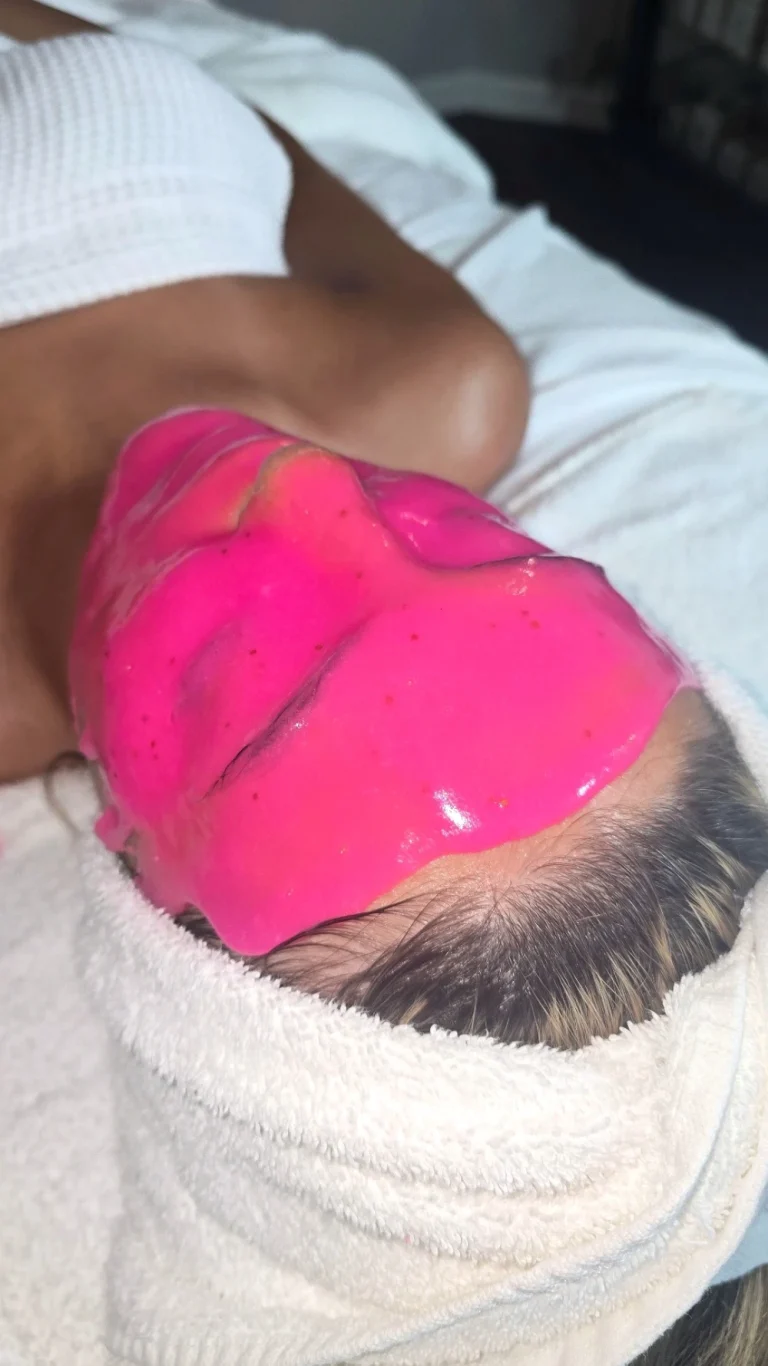
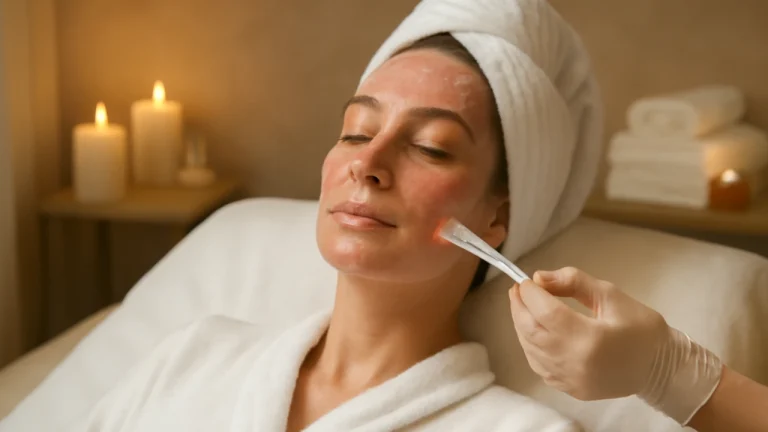
A jelly mask facial refers to a professional treatment that includes a peel-off alginate mask applied as the final step. Estheticians use it after procedures such as exfoliation, extractions, microneedling, or serum infusion to create an occlusive, cooling environment that supports hydration and recovery. The jelly mask creates a controlled environment that helps the skin recover after stimulation. It is not a separate treatment category; professionals use it as a finishing phase within an advanced facial protocol to calm, replenish, and refine results.
What is the correct order of skincare?
The typical sequence of stages is cleansing, exfoliation, treatment, massage, targeted serums, mask, and finishing with protective products. This order supports proper absorption of active ingredients while minimizing irritation. The mask stage helps seal in hydration and restore barrier balance before the application of final protective products.
Are jelly masks effective?
Yes, when properly formulated and applied correctly. Their effectiveness comes from structural occlusion, hydration binding, and controlled cooling. Together. These combined mechanisms help reduce transepidermal water loss (TEWL), maintain treatment results, and support client comfort. Trendy ingredients play a minimal role compared to the mask’s structural performance.
What are the benefits of a jelly mask?
Key benefits include hydration retention, soothing support, improved comfort after treatments, and visible refinement of skin texture. Jelly masks form a flexible occlusive seal that helps maintain moisture and prolong contact time of previously applied actives. This contributes to overall treatment stability and more consistent results.
Why Are Jelly Masks Commonly Used After Facial Treatments?
Post-procedure skin requires more stabilization than stimulation. That is why jelly masks after facial services are so popular.
The stratum corneum may experience temporary disruption after active treatments. Professional masks support recovery through several key mechanisms:
- Reduced TEWL.Occlusive jelly matrices form a flexible barrier over the skin surface, slowing moisture evaporation. This helps preserve internal hydration, which is especially important after exfoliation, microneedling, or extractions.
- Microenvironment stabilization. A structured mask layer creates a controlled interface between the skin and the external environment, limiting exposure to air, temperature fluctuations, and friction while supporting barrier recovery processes.
- Sensory cooling. During the gelation phase, the mask produces a gradual cooling effect that promotes comfort and helps reduce visible redness without the stress associated with aggressive cooling methods.
- Hydration retention. Humectants and hydration-binding systems remain in close contact with the skin under occlusion, supporting water balance in the stratum corneum and maintaining post-treatment suppleness.
These mechanisms explain why structured masks are commonly included in post-procedure protocols. Rather than simply hydrating the surface, they help stabilize the skin environment and preserve treatment results during recovery.
Here are examples of how post-treatment face masks influence visible results:
- Comprehensive Aftercare Jelly Mask — designed for recovery protocols. It supports barrier function after intensive procedures.
- Skin Nourishing Ceramide Jelly Mask — reinforces lipid balance and helps reduce moisture loss. Its formulation contains squalane and ceramide EOP, which provide a rejuvenating effect.
- Divine Egyptian Rose Jelly Mask — provides calming support for temporarily sensitized skin. Egyptian rose extract together with a coolant soothes and reduces inflammation.
Should you do a face mask after a facial?
Yes, when the mask is part of post-treatment care. Skin often needs hydration support and environmental protection after professional procedures. A properly selected mask helps maintain moisture balance, improves comfort, and preserves the results achieved during the treatment session.
What should you do after performing a facial treatment?
The primary goal after a facial procedure is to stabilize the skin. Professionals typically use barrier-support masks, such as the Comprehensive Aftercare Jelly Mask or the Skin Nourishing Ceramide Jelly Mask followed by appropriate finishing products. This combination helps minimize post-treatment stress, preserve hydration, reduce sensitivity, and protect the results achieved during the procedure.
What causes facial glow after a treatment?
Post-treatment radiance occurs when hydration levels improve and the skin surface becomes smoother, allowing light to reflect more evenly from the stratum corneum. A properly selected jelly mask can help prolong this effect by stabilizing moisture levels and supporting short-term barrier balance.
Which face mask is best after microneedling?
Recovery-focused masks are most appropriate after microneedling. They prioritize hydration retention, barrier comfort, and low stimulation. Formulas with occlusive and calming properties help stabilize the skin, reduce moisture loss, and support post-procedure recovery.
What Post-Treatment Benefits Do Jelly Masks Provide?
When a jelly mask is applied after a procedure, it immediately delivers a multifaceted effect:
- Provides a cooling sensation that helps calm the skin and relieve irritation
- Forms an elastic occlusive seal that slows evaporation and retains moisture within the stratum corneum
- Reduces redness that may appear after a procedure through controlled cooling and proper hydration.
- Protects recently treated skin from external environmental stressors, supporting recovery and comfort
These combined effects explain why structured masks are beneficial after treatments. They help maintain comfort, stabilize hydration, and restore visible skin balance while the barrier returns to baseline.
Examples of recovery-focused formulations include:
- Epic Blue Glacier Jelly Mask — suitable for heat-stressed skin. It reduces visible redness and demonstrates temperature-modulating support.
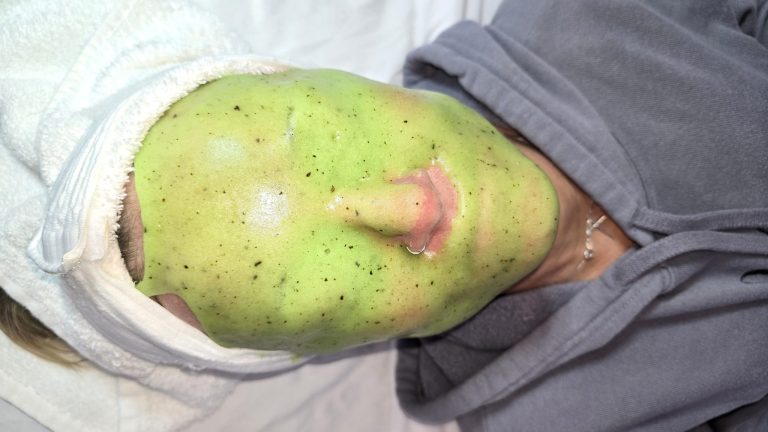
- Green Tea Matcha Jelly Mask — provides antioxidant-rich support for reactive skin environments. It contains natural ingredients with a soothing effect, such as matcha powder and green tea extract.
- See Bee Dee 1000 MG Heal Jelly Mask — targets compromised skin and supports recovery processes. Ceramides in its formula serve skin repair and cell regeneration.
Can you do a jelly mask after microneedling?
After microneedling, it is essential to provide gentle hydration while supporting barrier function. Professional jelly masks infused with hydration-binding technologies such as Poly-Luronic™ (PGA + HA) can help maintain moisture levels and comfort without overstimulating the skin. Formulations like PDRN Glow Boost Jelly Mask or the Pristine Copper Peptide Jelly Mask are designed to support post-procedure recovery. However, proper selection by a licensed professional is critical. When chosen appropriately, a jelly mask will not interfere with healing and can help sustain hydration, calm the skin, and improve overall comfort during recovery.
What shouldn’t you do after a facial?
Avoid activities that may place additional stress on the skin. This includes aggressive exfoliation, heat exposure, intense exercise, and the immediate use of potent active ingredients. Because the skin is more reactive after treatment, maintaining a calm, low-stimulation environment supports optimal recovery and preserves results.
What Is the Difference Between Professional vs Retail Face Masks?
Texture alone does not determine quality. Clinical masks differ from retail versions in formulation precision, activation behavior, and consistency of performance. Professional products are designed to deliver predictable results within structured treatment protocols.
| Feature | Professional Formulas | Retail Versions |
| Activation | Controlled setting time | Variable |
| Alginate Quality | Medical-grade sourcing | Mixed grades |
| Hydration Retention | Structured occlusion | Surface hydration |
| Outcome Predictability | High | Inconsistent |
| Compatibility | Suitable for procedures | General cosmetic use |
These products clarify why professional jelly masks differ structurally from cosmetic alternatives:
- NAD Longevity Jelly Mask — reflects an advanced formulation strategy and modern design. It contains natural fruit powder and electrolytes that improve skin elasticity and support UV defense.
- Fountain of Youth Jelly Mask — combines hydration with elasticity support, illustrating outcome-oriented formulation. PolyLuronic™ technology helps strengthen the skin’s natural barrier.
What face masks do dermatologists recommend?
Dermatologists typically recommend masks with stable, well-tolerated formulations and reliable ingredient sourcing. Priority is placed on products that deliver consistent hydration while minimizing the risk of irritation. Masks that support barrier integrity, reduce sensitivity, and perform predictably are generally preferred, especially for compromised or post-procedure skin.
What to avoid in a face mask?
Avoid products with unstable fillers, poorly sourced ingredients, or inconsistent gelling systems. These factors can affect setting behavior, hydration performance, and skin tolerance. Predictable formulation quality is more important than ingredient novelty.
What chemicals should be inappropriate in personal care products?
Products that increase the risk of irritation should be approached with caution, especially for sensitive or recently treated skin. Potential concerns include poorly refined raw materials, harsh solvents, or excessive amounts of known sensitizers. Rather than focusing on a single ingredient, professionals evaluate the stability, quality, and balance of the entire formulation. For this reason, consulting a licensed professional is recommended when selecting products, particularly for compromised or post-procedure skin.
Are Professional Jelly Masks Safe for Home Use?
Safety of occlusive recovery masks depends on context, formulation, and skin condition. Some masks function well outside clinics. Others may be used only in professional protocols, with no middle ground. Still, some formulas can serve as safe jelly masks for home use when:
- The skin is intact, without redness, irritation, or inflammation
- The formulation is balanced and low-stimulation
- Application instructions are followed precisely
However, masks designed specifically for post-procedure recovery should remain within professional supervision to ensure safety and optimal outcomes.
The Radiance RX Jelly Mask illustrates realistic expectations for home care. Its formula with PolyLuronic™ components, arbutin, tranexamic acid, and botanical brighteners is safe and brings visible outcomes after proper application.
Which face mask can I use daily at home?
Only mild, hydration-focused masks are suitable for frequent use. Daily application should involve gentle, low-stimulation formulas without aggressive actives. Intensive or recovery-oriented masks are best reserved for professional guidance, as licensed estheticians are trained to use them safely and effectively.
What skin types benefit most from jelly masks?
Jelly masks are most beneficial for dehydrated, sensitive, and reactive skin types. Professional formulations also perform well on barrier-compromised skin, where additional protection and hydration support are needed. Their occlusive structure helps reduce moisture loss while maintaining a calm, hydrated environment, making them particularly effective for restoring comfort and improving overall skin balance.
How Can Jelly Masks Be Used Correctly Outside the Clinic?
For home use, it is important to understand that professional results depend on proper skin preparation, technique, and product selection. When used outside the treatment room, the following principles help ensure safe and effective outcomes:
- Thorough preparation is essential..
Skin should be fully cleansed of oils, sunscreen, and residue so the mask can form an even seal and adhere properly. - Application thickness influences occlusion.
Removing the mask too early limits occlusive benefits, while allowing it to set fully helps maximize hydration retention. - Removal timing affects retention.
Removing the mask too early limits occlusive benefits, while allowing it to set fully helps maximize hydration retention. - Moderate frequency is recommended.
Regular use can support hydration, but excessive masking may disrupt the skin’s natural balance.
Correct preparation, application, timing, and frequency ultimately determine whether at-home use delivers consistent benefits or variable results.
In general, barrier-support masks perform best when used with careful control and clear treatment goals, for example:
- Collagen Boost Jelly Mask — aligned with elasticity-support routines where consistency is important, it helps reinforce skin repair with ingredients such as arbutin and collagen extract.
- Luxury Caviar Jelly Mask — illustrates masks designed for intentional use when enhanced nourishment is desired. Amino acids and omega fatty acids support hydration and improve overall skin texture.
How do you use a jelly face mask?
Apply the jelly mask evenly to clean, dry skin and leave it in place until it fully sets. Once a uniform gel structure forms into a single flexible layer, it can be removed. Allowing the mask to set completely helps ensure consistent occlusion and even hydration distribution.
Do I wash my face after using a face mask?
It depends on the type of mask. Some formulations leave beneficial ingredients on the skin and are designed to remain in place, while others should be fully removed after use. Because products behave differently, it is important to follow the manufacturer’s instructions for proper aftercare.
When to use a jelly mask?
Jelly masks are most beneficial between professional treatments to help maintain hydration balance and skin comfort. While they can support ongoing skin maintenance, they do not replace clinical procedures or in-office care.
Conclusion
Jelly masks remain widely used in professional skincare not because of trends, but because of their functional effectiveness. Well-designed formulations help stabilize treatment results by supporting hydration, comfort, and barrier balance during the final phase of a facial protocol.
Understanding the differences between professional and retail face mask is essential. Professional grade products are developed for predictable performance within structured treatments, while retail options may vary in consistency and outcome. Careful attention to formulation quality and ingredient sourcing plays a key role in achieving reliable results. Luminous Skin Lab jelly masks offer a comprehensive approach to effective skincare and are designed to emphasize hydration stability, barrier support, and controlled activation.
It is also important to consider that some jelly masks may be suitable for home use. However, this does not mean they replace clinical care. PProper assessment, product selection, and correct application remain critical to both safety and effectiveness.
FAQ
Frequency depends on the current condition of the skin and the strength of the formulation. For general hydration maintenance, using a jelly mask two to three times per week is typically sufficient. Recovery-focused or intensive formulas should be used only with professional guidance, as a licensed esthetician can determine whether this level of care is appropriate. Excessive use is not beneficial and may disrupt the skin’s balance.
A post-wax jelly mask is formulated specifically for skin after hair removal. It contains soothing, cooling, and barrier-supportive ingredients and is applied immediately after depilation to help reduce redness and discomfort. Its primary purpose is to calm the skin, restore hydration, and support recovery.
If the product is properly selected, then yes. It is important to maintain realistic expectations: jelly masks will not eliminate wrinkles, but they are highly effective for supporting hydration and barrier stability. They help improve comfort, refresh the skin, and maintain moisture balance. Overall effectiveness depends on formulation quality and correct use, which is why professional guidance can help determine the most suitable option for a specific skin type.