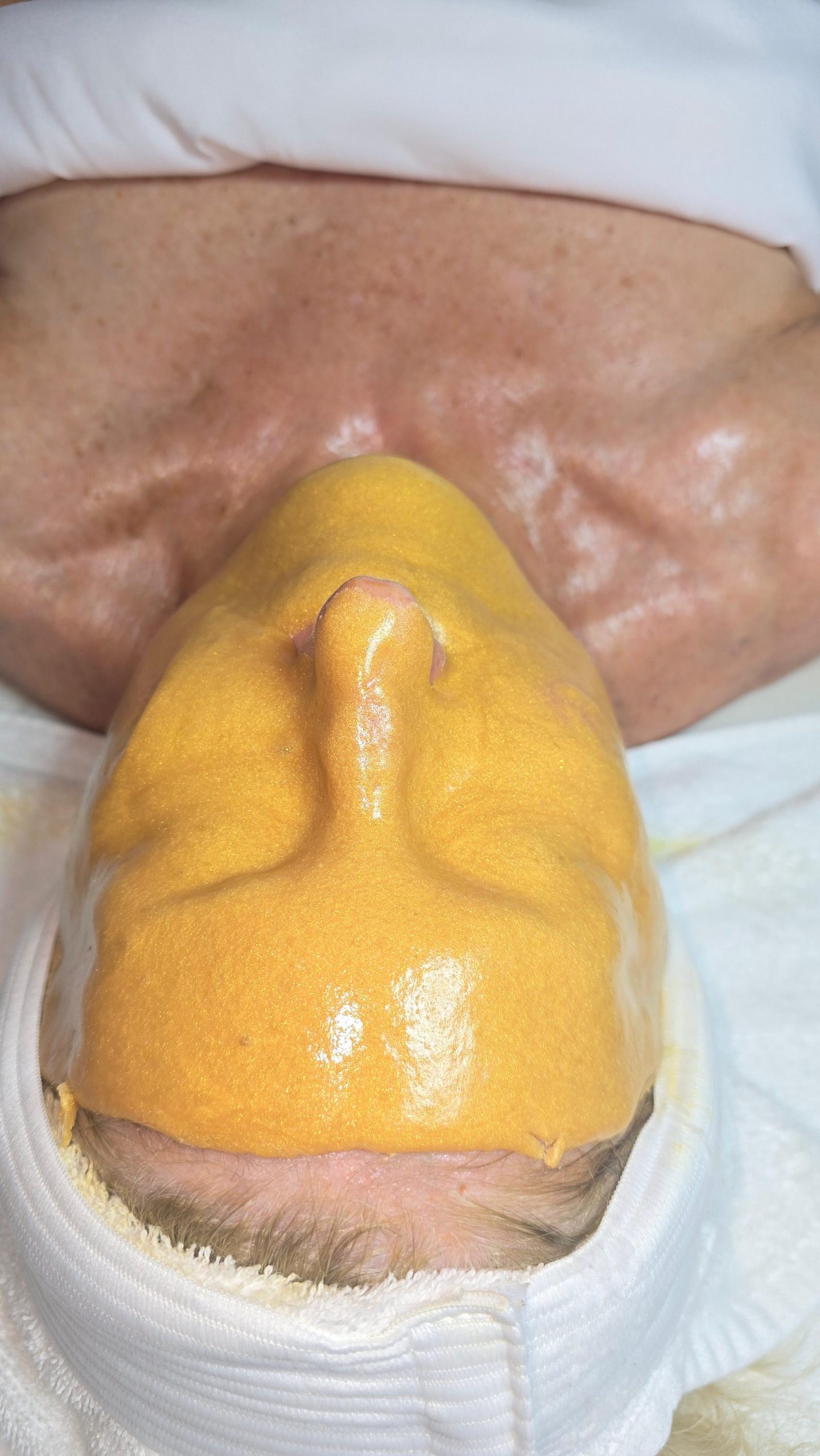
What Is a Jelly Mask and How Do They Compare to Traditional Face Masks?
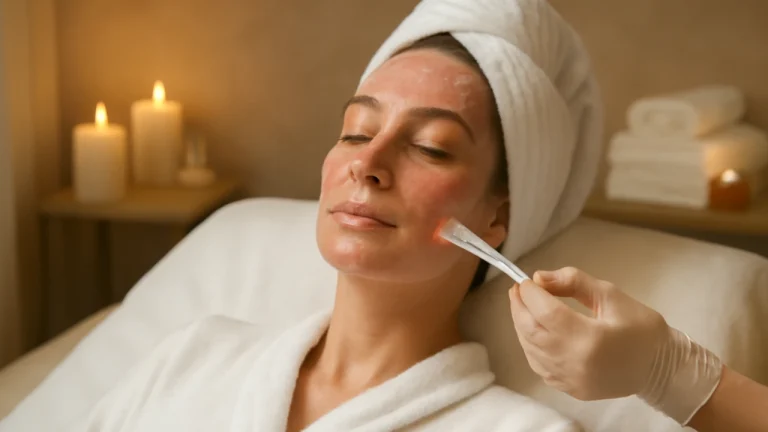
Jelly masks occupy a specific and well-established role in professional skincare. Rather than functioning as a trend-driven retail product, they serve as powder-activated, alginate-based treatment masks designed for controlled use within facial protocols, post-procedure care, and advanced aesthetic treatments. Their value lies in formulation structure, activation chemistry, and performance consistency.
In professional settings, mask selection depends on more than actives. Texture, occlusion, hydration retention, cooling effect, and removal all influence outcomes.Professional facial masks address these variables through formulation structure, including alginate polymers and electrolyte-supported hydration systems.
PolyLuronic™ technology, a synergistic combination of polyglutamic acid (PGA) and hyaluronic acid (HA), forms the basis of this format. Luminous Skin Lab Jelly Masks are an example of this professional approach. Their exclusive formulas address the needs of licensed providers. These properties allow estheticians to integrate hydration sealing, barrier support, and post-treatment comfort into multi-step protocols.
Comparison of jelly masks with sheet or cream masks is primarily a question of professional appropriateness. To understand when jelly masks are most suitable – and how they differ from other formats – it is essential to examine how they function on a clinical level.
What Is a Jelly Mask in Professional Skincare?
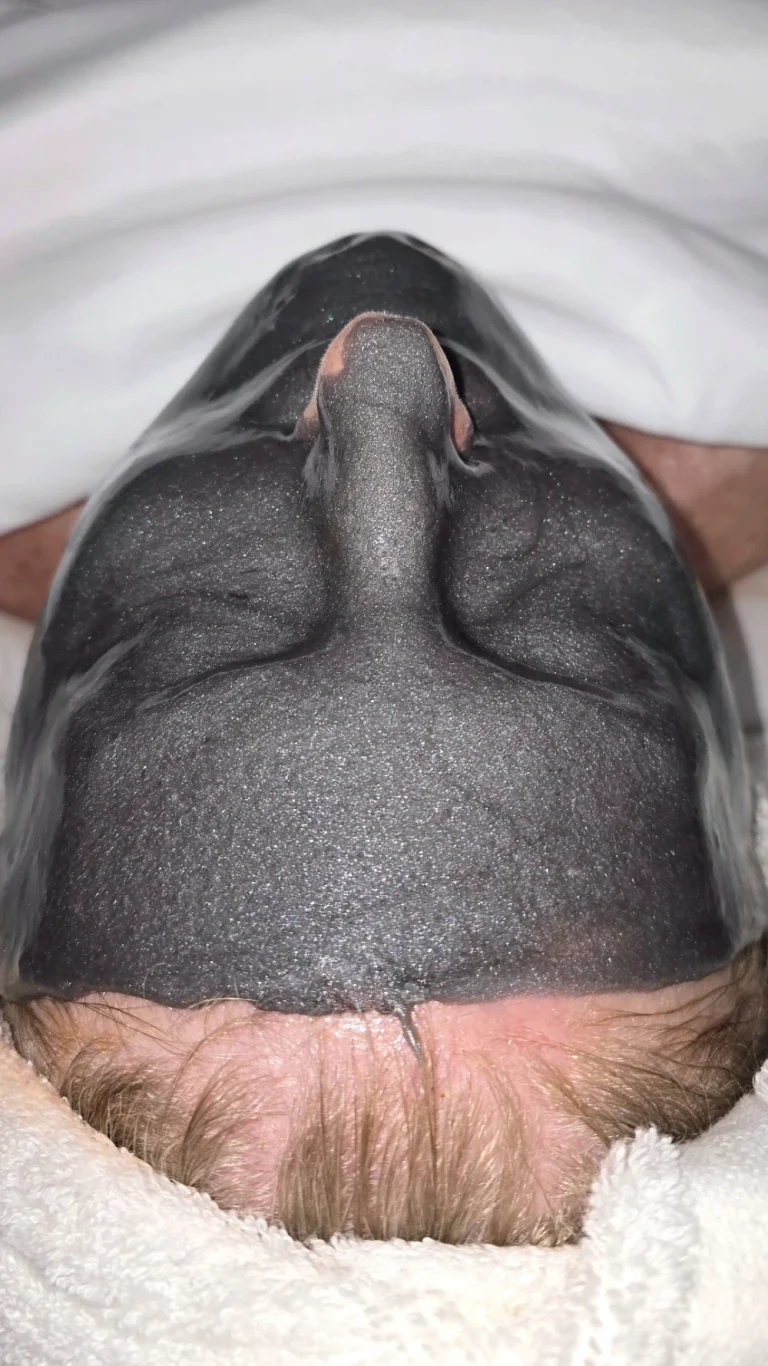
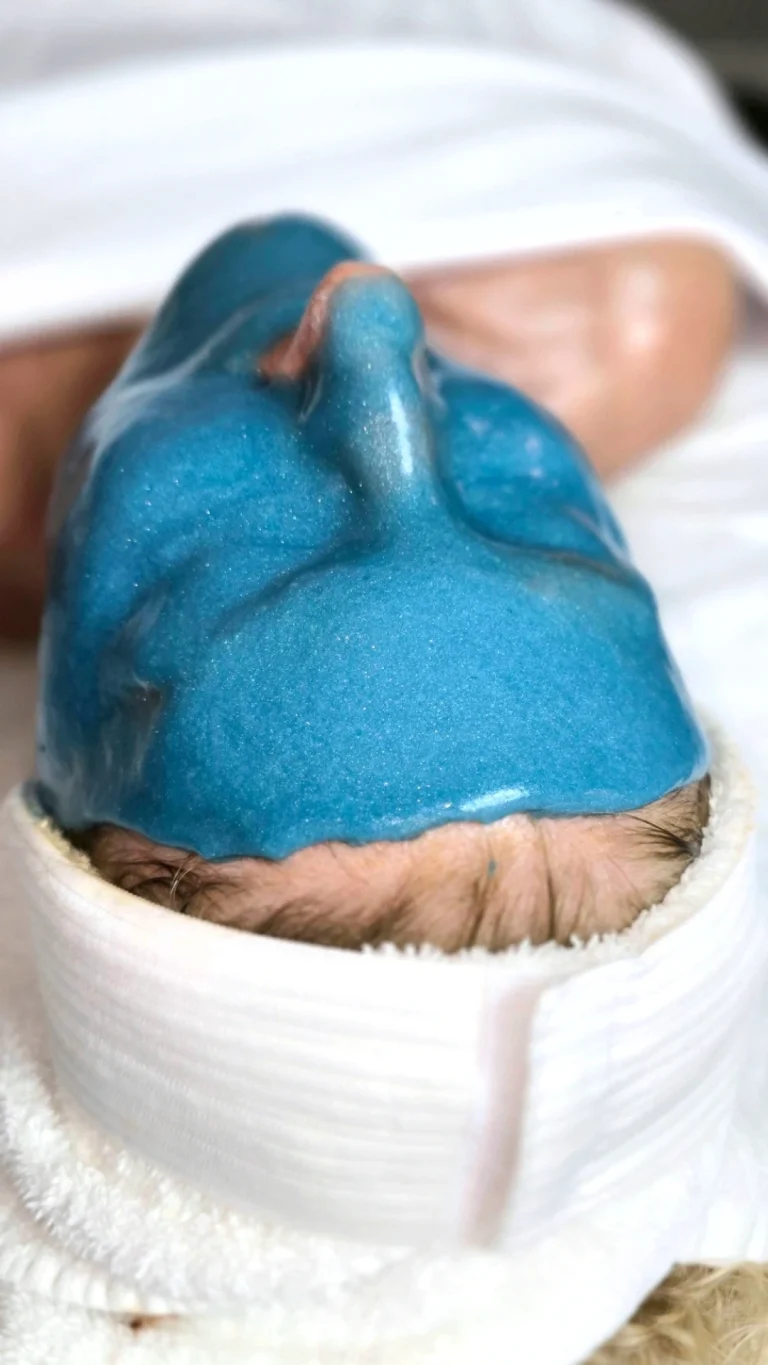
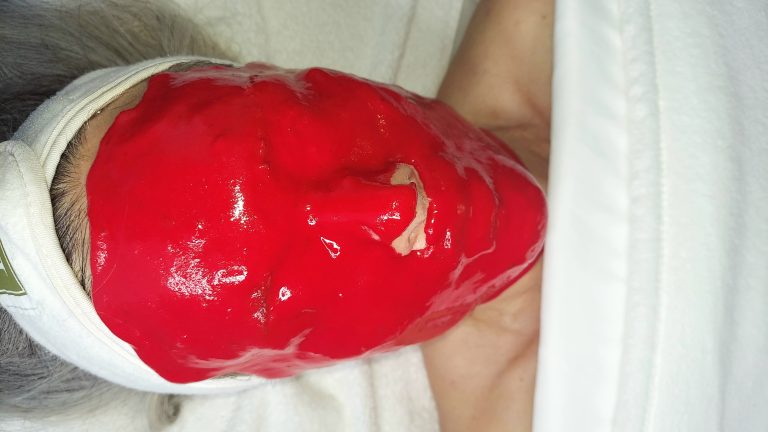
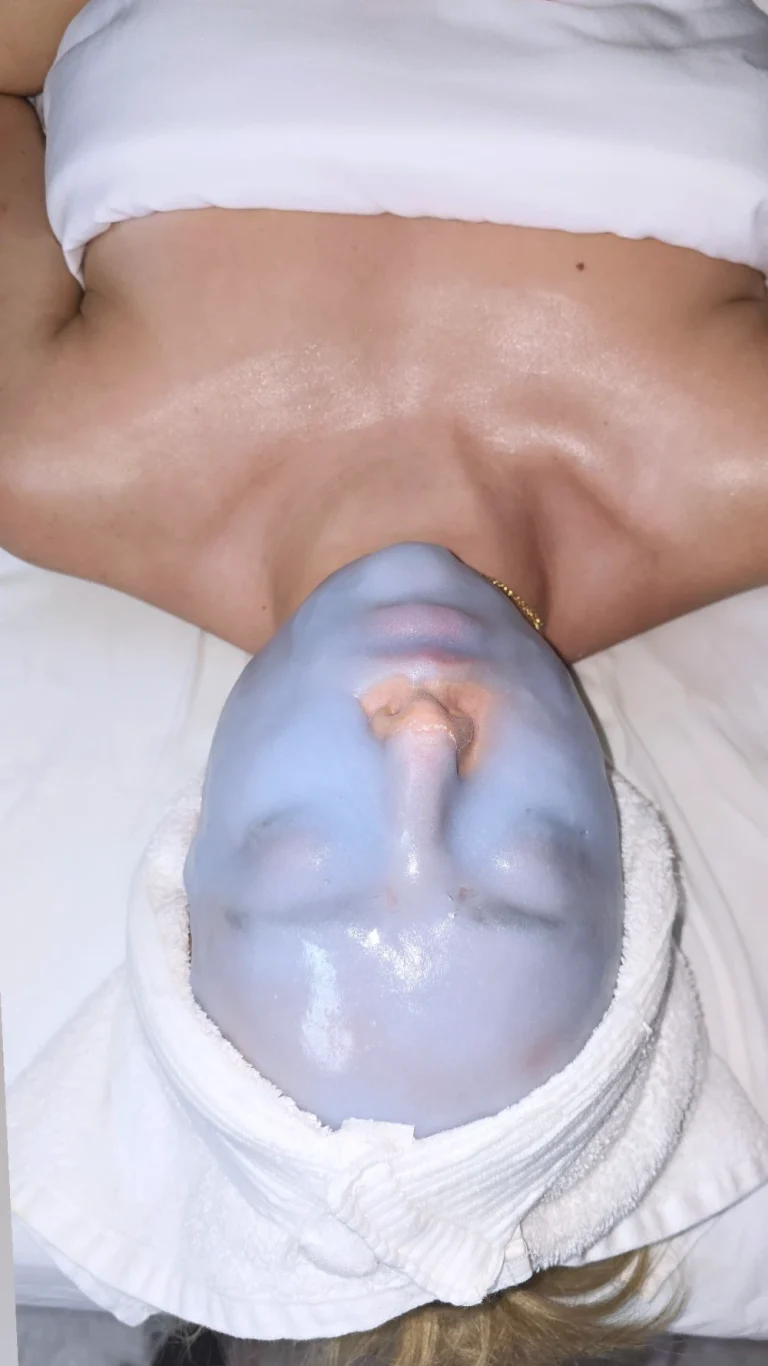
A jelly mask is a dry, powdered formulation. Skincare professionals activate the powder with purified water, which results in the formation of a viscous gel through controlled mixing and transformation. The substance spreads evenly across the skin and sets into a flexible, peel-off occlusive layer.
Alginate polymers are a key component of jelly masks, which differentiates them from pre-soaked sheet masks and emulsified cream products. Derived from marine algae, these polymers form the structure of the mask, allowing it to conform closely to facial contours while creating a semi-occlusive seal that reduces transepidermal water loss during treatment.
From a formulation standpoint, alginate jelly masks differ in several important ways. Activation occurs immediately before application, which helps preserve ingredient integrity and allows the esthetician to control texture, thickness, and working time. This activation model supports freshness and predictable performance within professional protocols.
Products from the Luminous Skin Lab line meet this professional standard. While the range is extensive, what unites these formulas is their foundation in controlled alginate gelation and PolyLuronic™ technology. Each formula activates in a consistent, controlled manner upon contact with water.
Take the Hyaluronic Acid Jelly Mask as an example. This formula is designed to deliver sustained hydration and barrier support through proprietary Poly-Luronic™ (PGA + HA). When professionally activated and applied post-exfoliation, it helps seal hydration, support barrier function, and improve post-treatment comfort. Compared with pre-mixed emulsions, the alginate structure creates an occlusive layer that better supports tissue recovery.
What makes a jelly mask a professional-grade treatment in comparison to a retail mask?
A jelly mask is a professional-grade treatment because of its freshly prepared formulation, controlled activation, and effective occlusion. Retail masks are pre-formulated for long shelf stability and self-application. Estheticians mix jelly masks immediately before use to ensure maximum ingredient activity and optimal texture.
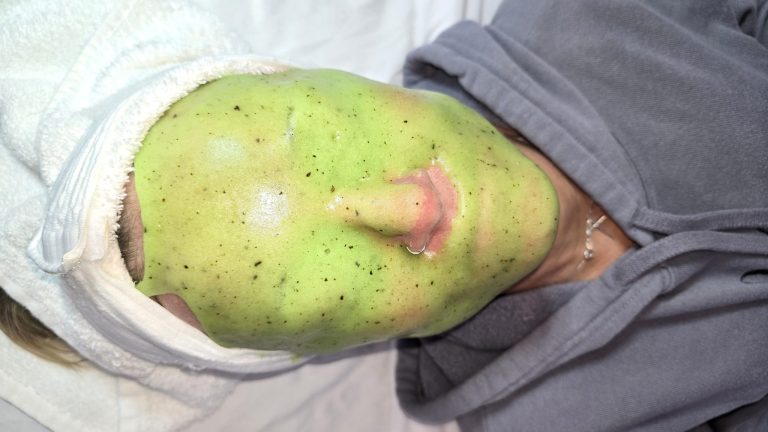
Jelly masks, such as the Skin Nourishing Ceramide Jelly Mask or the Green Tea Matcha Jelly Mask from Luminous Skin Lab, integrate effectively with in-treatment serums, ampoules, and post-procedure protocols. Their alginate structure supports hydration retention and soothing, often exceeding what is achievable with pre-prepared or retail mask formats.
Are jelly masks considered alginate masks in professional esthetics?
Professional jelly masks share some similarities with traditional alginate masks, but they are not identical. Classic alginate products rely primarily on marine-derived alginates and set into a firm, rubber-like peel-off layer. Jelly masks follow a more refined formulation approach, incorporating Poly-Luronic™ (PGA + HA) and electrolyte-rich components.
They typically contain alginate-based polymers and moisture-binding systems that create a softer and more elastic gel texture. This type of formulation explains their increased flexibility and adaptability. As a result, these characteristics ensure a high level of comfort that is valued by both skincare professionals and their clients.
Why are jelly masks supplied in powder form instead of pre-mixed formulas?
Jelly masks come in powder form to preserve ingredient stability and formulation integrity. Many active components, such as botanical extracts, marine ingredients, and humectants, maintain greater stability and functional integrity in a dry state. Powder formats allow professionals to prepare the mask fresh for each client. Optimal performance, consistent setting behavior, and reduced risk of contamination are additional benefits.
Luminous Skin Lab Jelly Masks follow this powder-based preparation model and allow estheticians to activate formulas immediately before application. This approach supports consistent setting behavior and predictable performance across treatments.
How Do Jelly Masks Work on the Skin?
Jelly masks function through occlusive hydration, which is more effective than mere absorption. The mask sets into a cohesive layer after application and reduces transepidermal water loss (TEWL). This occlusion retains both intrinsic skin moisture and externally applied hydration from serums or ampoules used earlier in the protocol.
As the mask sets, a mild cooling effect occurs. This temperature change supports comfort, calms reactive skin, and contributes to visible hydration by limiting evaporation. The peel-off structure ensures that hydration remains within the treated area rather than dissipating into the environment.
In professional formulations, hydration retention depends on more than occlusion. Electrolytes provide supportive function and help maintain osmotic balance at the skin surface. Hydration-binding agents such as PGA and HA reinforce water retention within the stratum corneum.
Luminous Skin Lab Jelly Masks support this mechanism through electrolyte-rich systems, PGA–HA synergy, and alginate structures that adapt to facial contours.
| Jelly Mask | Electrolyte Support* | Primary Barrier-Support Role | Professional Use Context |
| Fountain of Youth Jelly Mask | Potassium, Magnesium, Sodium Chloride, Sodium Phosphate, Calcium Sulfate | Improves hydration retention, supports skin plumpness and elasticity | Dehydrated skin with reduced resilience |
| Hyaluronic Acid Jelly Mask | Potassium, Magnesium, Sodium Chloride, Sodium Phosphate, Calcium Sulfate | Supports tissue hydration, improves water binding within the stratum corneum | Post-treatment hydration and recovery support |
| Comprehensive Aftercare Jelly Mask | Potassium, Magnesium, Sodium Chloride, Sodium Phosphate, Calcium Sulfate | Calms treated skin, supports barrier recovery, reduces post-procedure discomfort | Post-extraction, peel, microneedling, or laser protocols |
| Luminous LED Light Jelly Mask | Potassium, Magnesium, Sodium Chloride, Sodium Phosphate, Calcium Sulfate | Prevents moisture loss, supports barrier stability during LED or technology-based treatments | LED therapy and maintenance-focused facials |
What role does cooling play in the effectiveness of jelly masks?
The cooling effect of jelly masks contributes to vasoconstriction and an anti-inflammatory response. An occlusive hydration mask helps to reduce erythema, sensitivity, and post-procedural discomfort. Cooling also soothes nerve endings. It makes jelly masks particularly beneficial after exfoliation, extractions, or advanced treatments.
Do jelly masks improve the penetration of serums applied underneath?
Yes. Jelly masks create occlusive pressure and sustain hydration. They enhance the performance of underlying serums and support improved absorption. Active ingredients remain in close contact with the skin and support more effective uptake. This process does not disrupt the skin barrier.
In professional protocols, estheticians often pair serums with jelly masks such as the Hyaluronic Acid Jelly Mask or the Fountain of Youth Jelly Mask from Luminous Skin Lab to help maintain hydration and prolong serum contact during the finishing phase of treatment.
How do electrolyte-rich jelly masks support skin balance during treatment?
Electrolyte-rich jelly masks support osmotic balance and cellular hydration within the skin. Sodium, potassium, magnesium, and calcium support cellular signaling processes. These electrolytes reinforce barrier function during treatment and help prevent dehydration-related stress responses.
Jelly Mask vs Sheet Mask: What Is the Difference in Professional Treatments?
Sheet masks rely on saturation and evaporation. They deliver hydration primarily through contact with a pre-soaked substrate; it gradually dries during application. The material remains exposed to air. As a result, evaporation occurs continuously and limits long-term hydration retention.
Conformity presents another limitation of sheet masks. Because sheet masks have a fixed shape, they may not adapt evenly to all facial contours. This can result in inconsistent contact and uneven hydration, particularly along the jawline, around the nose, and within the orbital area. In addition, freshness depends on packaging rather than activation at the time of use.
By contrast, jelly masks form a custom-fit layer directly on the skin. This semi-occlusive seal helps slow moisture evaporation and supports stable hydration levels throughout the treatment.
In professional contexts where post-procedure calm or hydration retention is required, jelly masks often provide greater control. The Comprehensive Aftercare Jelly Mask serves as an example of a jelly mask selected for post-treatment protocols, where occlusion, electrolyte balance, and clean removal support recovery without overstimulation.
Sheet masks may still serve a role in express services or retail-oriented treatments. However, when hydration stability and barrier support are priorities, jelly masks often align more closely with professional objectives.
Why do sheet masks dry out faster than jelly masks during facials?
Sheet masks dry out more quickly because they are composed of absorbent carrier materials. Moisture evaporates from the sheet into the air, and the material may begin to draw water back from the skin. An increase in transepidermal water loss (TEWL) may occur in this case. Jelly masks form an occlusive gel layer that slows evaporation and maintains a stable hydration environment.
In professional practice, hydration-focused jelly masks such as the Skin Nourishing Ceramide Jelly Mask or the Luminous LED Light Jelly Mask from Luminous Skin Lab are often selected when sustained hydration retention is required throughout the treatment period.
Do jelly masks offer better hygiene control in professional settings?
Yes. Jelly masks provide enhanced hygiene control in professional practice. Skincare professionals prepare them fresh for each client from a dry powder. This approach reduces the risk of microbial contamination associated with shared containers or prolonged product exposure. The peel-off application also reduces cross-contact. The mask is removed in one intact layer, supporting clean and controlled treatment protocols in clinical and spa environments.
For example, Luminous Skin Lab jelly masks, such as the Comprehensive Aftercare Jelly Mask, are commonly used in post-procedure settings, where clean application, controlled removal, and barrier support are essential.
Jelly Mask vs Cream Mask in Professional Skincare
When it comes to cream masks, it is important first to understand that they have an emulsion-based structure. This means that:
- They do not absorb into the skin completely but only partially.
- A residual layer remains on the surface. It is therefore logical that the effect of their use depends on how well the active ingredients penetrate the skin.
- The degree of emollient action also plays a role. I
- To remove product residue that does not absorb, the skin requires cleansing. During the wiping process, there is a risk of disrupting the treatment flow. If the skin is sensitive, there is also a risk of irritation.
Jelly masks function differently. Their structure differs, and therefore, the effect of their use differs as well:
- They do not require absorption.
- These products create a temporary occlusive environment that is responsible for moisture retention.
- Residue removal also follows a different approach. The mask peels off as a single layer. As a result, the skin surface remains intact after treatment.
This distinction is particularly important in professional facial protocols. While residue from a cream mask may negatively affect the outcome of subsequent treatment steps, jelly masks instead complete the procedure gently. After removal, the skin remains clean and fully prepared for further professional interventions. Luminous Skin Lab Jelly Masks reflect this functional distinction.
Why do cream masks often require removal but not peel-off?
Cream masks contain emollients and emulsifiers. These components make them flexible and nourishing on the skin. They do not form a cohesive film that an esthetician could peel off. Estheticians wipe the product off to prevent residue buildup and to prepare the skin for subsequent treatment steps.
Can residue from cream masks interfere with post-treatment steps?
Yes. Residual product from cream masks can interfere with post-treatment absorption and efficacy. Remaining oils or occlusive agents create a barrier. This can reduce the penetration of finishing serums or moisturizers. Estheticians need to remove the product thoroughly to perform the protocol properly.
How does peel-off removal improve client comfort and treatment flow?
Professional peel-off masks provide an efficient and tactilely comfortable experience for the client. The mask is removed in one continuous layer. Friction is minimal, as is excess contact with the skin. This approach also improves treatment flow and reduces the risk of irritation. Transition into final care steps is smoother. As a result, practitioner efficiency increases, which contributes to overall client satisfaction.
Who Are Jelly Masks Best Suited For?
Jelly masks are appropriate in many professional scenarios. They are particularly helpful when hydration retention and comfort are key goals. Estheticians often choose them for clients with dehydrated skin because they limit water loss. This supports recovery and visible improvement.
Post-extraction or post-procedure skin also benefits from occlusion and cooling. Jelly masks help reduce discomfort and support barrier stabilization. For sensitive or reactive skin, they provide hydration without friction or residue.
Targeted formulations help estheticians address specific concerns. For example:
- See Bee Dee 1000 MG Heal Jelly Mask – supports reactive or redness-prone skin and is suitable for acne- and rosacea-prone conditions
- Green Tea Matcha Jelly Mask – reduces redness and supports pore refinement through antioxidant support and hydration balance
How do jelly masks support dehydrated but acne-prone skin?
Jelly masks work well with dehydrated and acne-prone skin. They hydrate without lipid overload. Their occlusive gel structure reduces transepidermal water loss. In professional formulations, jelly masks typically avoid heavy or highly comedogenic components that may exacerbate breakouts. They help support balanced sebum production and may reduce compensatory oil production associated with dehydration.
Are jelly masks appropriate for mature or barrier-compromised skin?
Jelly masks are appropriate for mature skin. They support hydration retention and barrier repair without excessive stimulation. Their formulas support weakened skin and promote visible plumpness. Electrolyte-rich systems also help improve skin resilience during professional treatments.
When Are Jelly Masks the Most Appropriate Mask Format?
In practice, when selecting a professional mask for a treatment, estheticians primarily consider the goals and clinical tasks involved. Format does not become the defining factor in achieving the desired result. However, jelly masks are often preferred when hydration retention and client comfort take priority. They also perform well as a finishing step after exfoliation, deep cleansing, or more intensive aesthetic procedures.
In addition, the range of available formulas is extensive. Within the Luminous Skin Lab collection, estheticians can easily select masks based on specific skin concerns. Due to controlled formulation, each product integrates smoothly into multi-step facial treatments, allowing practitioners to rely on consistent performance and predictable results.
FAQ
Jelly masks activate from powder to gel. They form an alginate-based occlusive layer and focus on hydration retention rather than just absorption.
Yes, when formulated with calming components and electrolyte support, as seen in select Luminous Skin Lab jelly masks.
Yes. Jelly masks are safe for use after extractions or exfoliation. Due to their cooling, soothing, and occlusive properties, they help calm inflammation, reduce erythema, and support barrier recovery.
Estheticians often use jelly masks as a finishing product. They seal in active ingredients applied earlier in the treatment. However, they may also serve as part of advanced mid-treatment protocols. In this context, they hydrate, calm, or prepare the skin for subsequent steps.
Jelly masks create a protective environment that minimizes moisture loss and supports skin homeostasis. Their cooling effect helps reduce inflammation. In addition, occlusion enhances comfort and supports visible recovery.