Understanding Jelly Mask Powders: How Activation Changes Everything
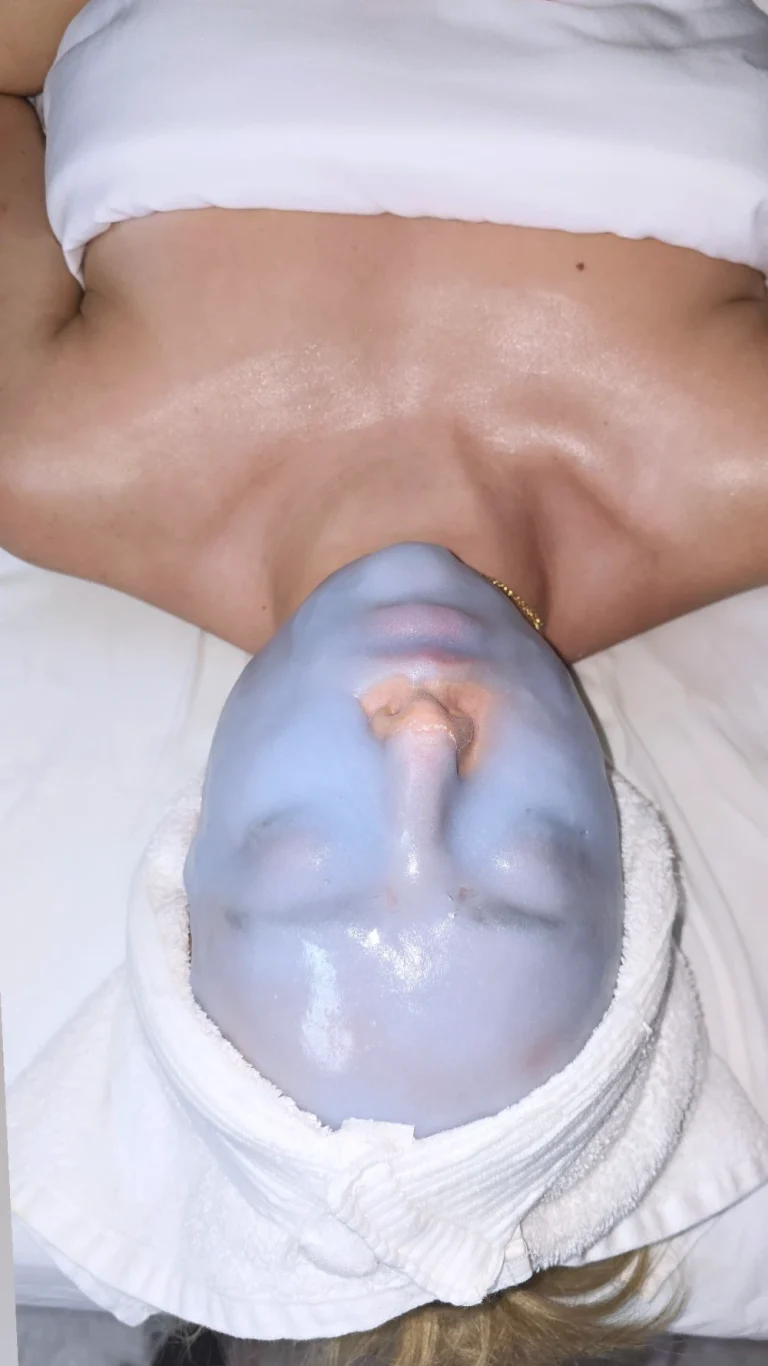
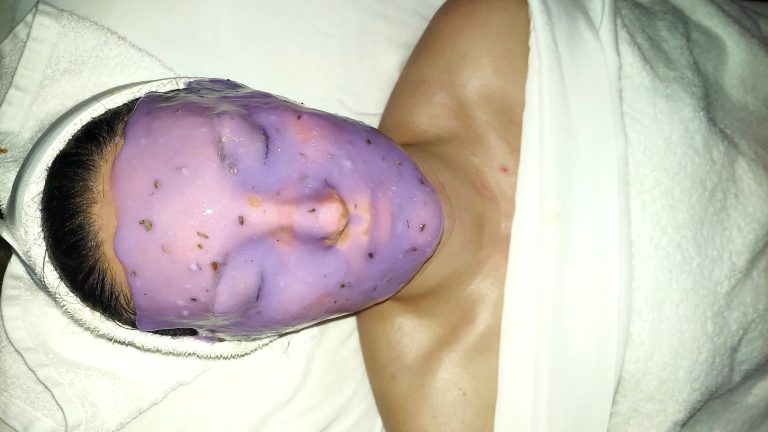
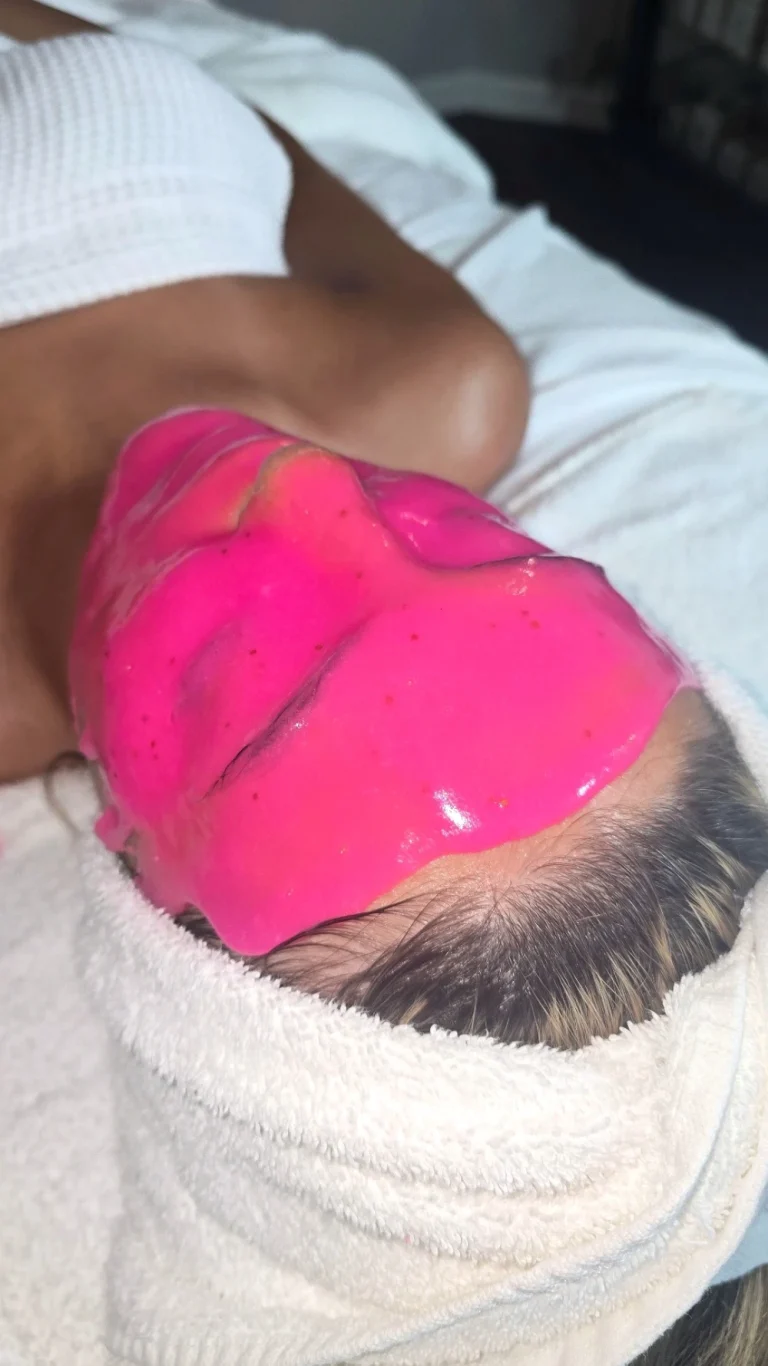
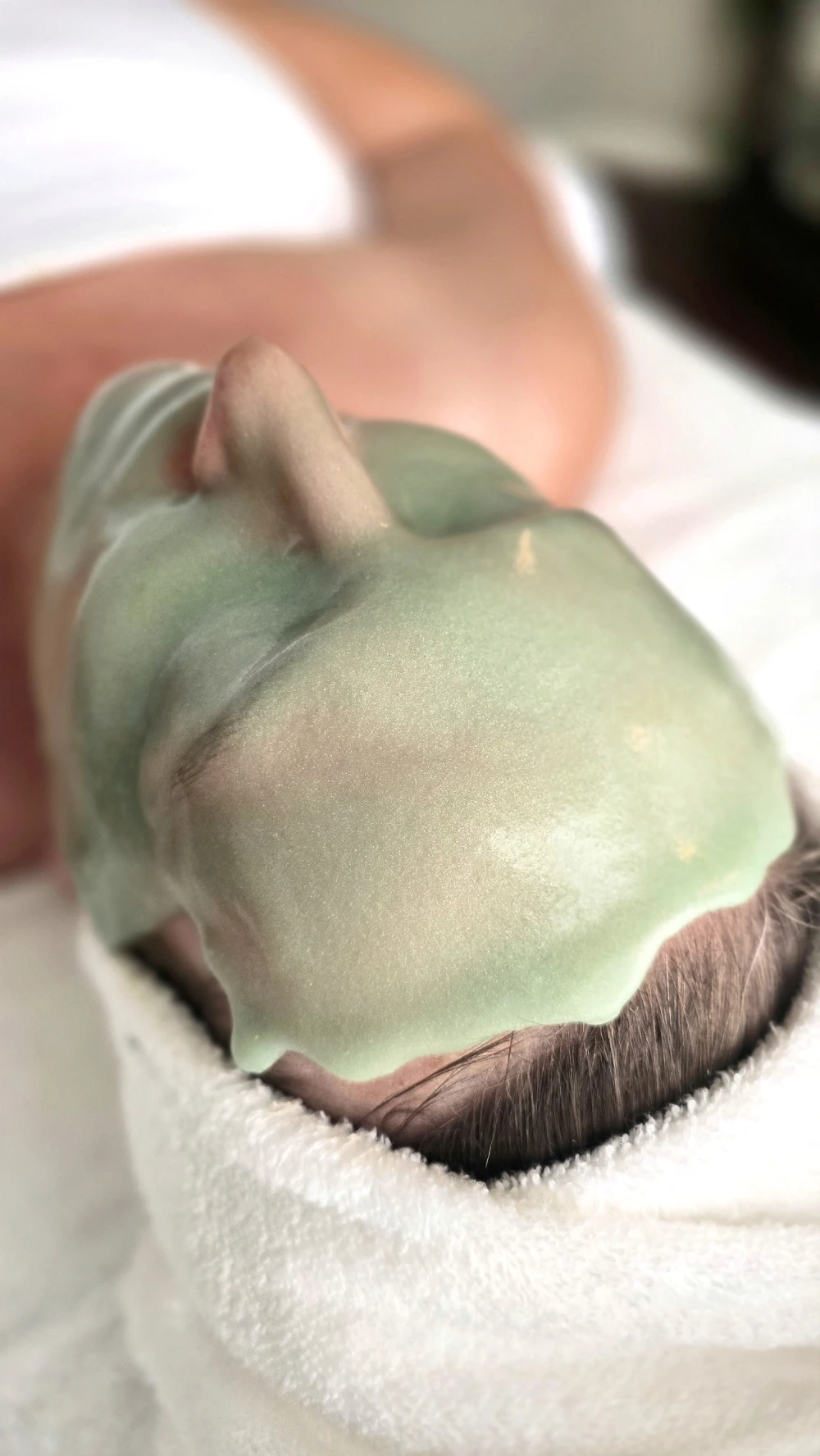
Professional jelly mask powders represent some of the most sophisticated delivery systems in skincare today. Each formula starts as a dry base of encapsulated actives and alginate polymers. With the addition of water, it turns into a smooth, peel-off mask that seals hydration and helps with product absorption. Luminous Skin Lab crafts every Jelly Mask Powder for the licensed professional to be in full control of textural modification, adherence, and treatment performance.
Each formula incorporates a proprietary hydration technology called PolyLuronic™—a complex of polyglutamic acid and hyaluronic acid. This dual-molecule system binds and retains water at three different levels in the mask structure. PGA holds up to 8-10x more hydration than HA, while HA draws hydration deep into the skin. Together, they form a stable hydration network that reconstitutes the powder into a consistent gel with strong adhesion and cooling comfort.
The following sections outline how activation chemistry dictates mask performance, what ratios are ideal to provide uniformity, and some of the common mistakes that compromise texture and efficacy.
The Chemistry of Dry Activation — Why Purified Water Unlocks the Active Complex
Every professional jelly mask starts as a dry, molecular network formulated on alginate, a natural polysaccharide extracted from marine algae. In its powdered form, cross-linked salts and encapsulated actives are incorporated into the alginate that remain stable until hydration. The dry base also protects volatile ingredients, prevents oxidation, and maintains purity.
Water contacts the powder, and ionic exchange begins. Alginate absorbs water and swells. The powder converts into a flexible hydrogel that holds high levels of hydration. The gel conforms closely to the skin.
The Role of Water Quality in Gel Formation
Water does more than wet the powder. It initiates ionic and molecular reactions. Purified water will dissolve and ionize the actives. It further allows the alginate polymers to reorganize their molecular structure and form cross-links with calcium and sodium ions. The cross-links dictate the product’s texture, thickness, and adherence to the skin.
Luminous Skin Lab formulates each Jelly Mask Powder with this chemistry as the foundation. The brand selects specific grades of alginate that rehydrate quickly yet retain their structure. Purity of water is essential to that performance.
Tap water contains minerals, chlorine, and a host of impurities that interfere with the reaction. Professionals may observe uneven texture, visible air pockets, or gel separation too soon in the process. The mask may become uneven and lose its complete occlusive seal with the skin. Purified water for mask activation will eliminate all of those issues. It allows alginate and the PolyLuronic™ complex to interact exactly as designed, producing a cohesive, stable gel that ensures optimal alginate hydration performance.
How Activation Defines Mask Quality
Professional activation of a jelly mask determines both the effectiveness of the product and the visible result. To see how this works in practice, let us take the Hyaluronic Acid Jelly Mask and the Collagen Boost Jelly Mask as examples. Yes, both formulas rely on the same PolyLuronic™ chemistry. However, the Hyaluronic Acid formula aims at hydration and barrier restoration, while the Collagen Boost formula aims at improving firmness and elasticity.
Let us compare them in more detail.
| Feature | Hyaluronic Acid Jelly Mask | Collagen Boost Jelly Mask |
| Gel Appearance | Clear and uniform | Slightly opaque and resilient |
| Main Focus | Hydration and barrier support | Firmness and elasticity |
| Texture | Smooth and moisture-rich | Flexible and firm |
| Result | Soothes and retains hydration | Improves visible firmness |
| Peel-Off | Easy, even removal | Strong, clean removal |
Controlled Activation, Predictable Results
First of all, it is important to understand that dry activation refers to a controlled scientific process. Correct ion exchange ensures balanced action of each component. Because of this, the PolyLuronic™ complex, alginate, and active ingredients allow the attainment of the desired result. This precision holds particular value for professionals. They note the following advantages:
- Uniform viscosity ensures easy application.
- Improved adherence for complete occlusion.
- Stable hydration levels for consistent cooling comfort.
- Predictable peel-off behavior minimizes waste and cleanup.
Why is purified water essential for activating jelly mask powder?
Purified water is necessary for the correct ionic exchange that Luminous Skin Lab’s PolyLuronic™ complex needs to form a cohesive gel network. Without any interference from minerals, the gel develops uniform viscosity and has superior adherence.
Can distilled water substitute purified water?
Yes. Distilled water is just like purified water in performance, as both remove ions and trace metals that disrupt alginate gelation.
What happens if tap water is used?
Tap water contains minerals and chlorine, which distort polymer bonding. Inconsistency in texture, poor occlusion, and quick dehydration of the skin come with such impurities. This may cause the mask to dry unevenly or tear during removal, which can leave residue on the skin.
Ideal Mixing Ratios for Consistency, Adherence, and Performance
Precision is the linchpin in the activation of a professional jelly mask. Each formula has polymers and actives that require exact hydration to achieve the ideal balance between flexibility and firmness. A mask that feels too watery will slide off the skin and won’t create full occlusion. Conversely, a mask that feels too dense will harden unevenly and lose its cooling effect.
The professional standard ratio for all Luminous Skin Lab Jelly Mask Powders is one level scoop of powder to one and a half scoops of purified water. This jelly mask mixing ratio ensures uniform hydration and balanced viscosity.
Professionals must approach mixing as a structured process to obtain perfect activation. Here is how to mix jelly mask powder step-by-step:
- Measure precisely. Use a professional measuring scoop for accuracy.
- Add water gradually. The purified water needs to be slowly poured into the powder, not vice versa.
- Choose the right tool. A silicone or plastic spatula preserves a smooth texture and avoids ionic interference caused by metal tools.
- Stir with controlled pressure. Move the spatula in a circular motion until the mixture becomes uniform.
- Allow the mixture to rest. Rest the mix for 30 seconds before application.
- Check the consistency. It must be thick like yogurt—smooth, shiny, and able to hold its shape.
- Apply immediately. When the blend reaches a consistent texture, apply the mask uniformly to the treatment area.
All formulas at Luminous Skin Lab are based upon this process and perform consistently. For instance, the Hyaluronic Acid Jelly Mask Powder shows that the right ratios yield balanced hydration and a silky feel. Once the gel is activated properly, it adheres to the skin, stays in place, and remains fully hydrated during the occlusive period. The Sea Moss Algae Jelly Mask Powder is an example of the same adherent property with an added level of detoxification support.
Why Viscosity Matters
Viscosity determines the spreadability, adhesion, and peeling of the mask. Ideal viscosity will provide:
- Even application of the product over the entire treatment area;
- Stable occlusion for optimum absorption of active serums underneath;
- Controlled cooling without rapid drying;
- Ease of removal without residues or products on the skin.
Professionals often adjust the water ratio by eye. This can certainly create inconsistency from one application to another. A precise method helps minimize waste and preserve the brand’s stated performance. Luminous Skin Lab formulations deliver consistent rehydration and predictable reconstitution.
What is the correct ratio for mixing jelly mask powder?
The ideal mix ratio for all Luminous Skin Lab Jelly Mask Powders is one scoop of powder to one and a half scoops of purified water. This gives optimal viscosity to enable smooth application and balanced occlusion.
How long should the mixture rest before application?
Let the activated mixture rest for about 30 seconds before it is applied to the skin. During this brief period, the alginate polymers swell and begin to release the trapped air inside, which creates a uniform, bubble-free texture.
Why is even texture important?
Even texture defines the professional quality of the mask. With the uniform gel surface, there is no premature drying, occlusion is preserved, and actives are distributed evenly on the face. Jelly mask consistency boosts the comfort of the clients as it creates a steady cooling contact.
Common Mistakes Estheticians Make When Activating Jelly Mask Powder
Even with years of experience, dermatologists and estheticians may encounter inconsistencies during jelly mask preparation for estheticians. Activation chemistry demands accuracy and care from start to finish. A slight change in water quality, mixing ratio, or timing can alter the mask’s texture and reduce its effectiveness.
Over-Diluting
Using too much water can compromise the performance of a jelly mask. An overly thin mixture causes the gel to lose structure, shift, drip, and expand in ways that prevent it from forming a proper occlusive seal. Excess water can also interfere with the Poly-Luronic™ complex, reducing hydration and making the jelly mask removal more difficult. A runny consistency often creates a mess as the mask expands and drips onto towels. For best results, mix to a slightly thicker ratio that stays in place, applies smoothly, peels cleanly, and provides a comfortable, mess-free experience for both the client and the professional.
Under-Hydration
Using too little water prevents the powder from fully activating. When the alginate doesn’t have enough liquid to properly hydrate, the mixture becomes clumpy, grainy, and difficult to smooth across the skin, leading to uneven coverage and a mask that sets too quickly, making it hard to apply before it thickens. Always adjust the ratio as needed. For best results, add water gradually and mix until the texture is silky, uniform, and easy to spread; a properly hydrated jelly mask ensures even occlusion, optimal ingredient delivery, and a smooth, professional finish every time.
Using Tap Water
Tap water usually contains minerals, fluoride, and chlorine that disrupt polymer cross-linking within the mask’s gel. These ions destabilize the jelly mask, which causes a rough texture or early separation.
Mixing with Metal Tools
Metal bowls or spatulas disrupt the ionic activity of the mask during gel formation. When metal ions come into contact with the alginate chain, the cross-linking process weakens and the texture changes.
Professionals should use silicone or plastic tools for reliable consistency and clean peel-off performance. The Luminous Skin Lab HydroGlo Jelly Masks Powder illustrates how accurate activation avoids these problems. When professionals follow ratio, water purity, and mixing standards, the mask forms a flawless gel with balanced viscosity and excellent adhesion.
Why is my jelly mask too runny?
Most likely, the mixture contains too much water. To achieve the correct result, it is essential to follow the Luminous Skin Lab guidelines. Only the proper ratio allows the formula to thicken, set correctly, and peel off without residue. For one and a half measuring spoons of purified water, you need one full measuring spoon of powder.
Is a regular metal bowl suitable for mixing the components?
No, because metal affects the alginate jelly mask chemistry and, in some cases, may even cause incomplete gel formation. For the correct consistency, plastic or silicone bowls are required. They do not interfere with ionic stability during activation. The product also remains clean inside these bowls, which ensures a smooth, uniform texture throughout the entire mask.
Why do lumps appear in the jelly mask powder?
Lumps may appear if water is added too quickly. Uneven mixing also leads to this issue. The reason is simple: only the surface particles absorb moisture at first, while the powder underneath stays dry. This problem does not occur when purified water is added slowly and the mixture is blended with a proper silicone spatula.
Conclusion
Professional facials rely on precision, and this also applies to the activation of the jelly mask. The success of every treatment begins with chemistry. With the perfect ratio, quality of water, and technique, the powder becomes a clinically efficacious occlusive mask. Precision will determine the expansion of the polymers, how the gel adheres to the skin, and how deep the hydration can reach.
Luminous Skin Lab formulations reflect this science at every stage. Proprietary PolyLuronic™ technology combines Polyglutamic Acid with Hyaluronic Acid in a manner that forms stable hydration networks within the gel structure. The creation and structure of this system provide consistent viscosity, improved gel adherence on the skin, and longer duration of cooling comfort for each client. Each mask—from Hyaluronic Acid to Collagen Boost or Hyaluronic Acid—will react reliably when professionals adhere to precise standard activation procedures.
Every professional treatment starts with chemistry and ends with precision, and that’s the science behind Luminous Skin Lab Jelly Mask Powder.
Frequently Asked Questions
Only purified water should be used to activate the powder. Serums or toners contain additional actives and electrolytes that can disrupt the ionic balance needed for the mask to set properly, resulting in poor texture or weakened adhesion. If desired, a serum or ampoule may be applied to the skin first before applying the jelly mask. However, no additional serum is needed when using Luminous Skin Lab’s Poly-Luronic™ (PGA + HA) infused Jelly Masks, as the formula already provides deep hydration, slip, and enhanced absorption on its own.
It should be used within two minutes after activation. A longer delay allows the polymers to set and reduces their pliability.
Yes. Each formula is designed to serve a specific concern – hydration, lifting and firming, brightening, or post-procedure recovery.
Fresh activation preserves potency and provides total control over viscosity, timing, and application technique. It also improves product hygiene and allows the esthetician to adjust the texture for each client.