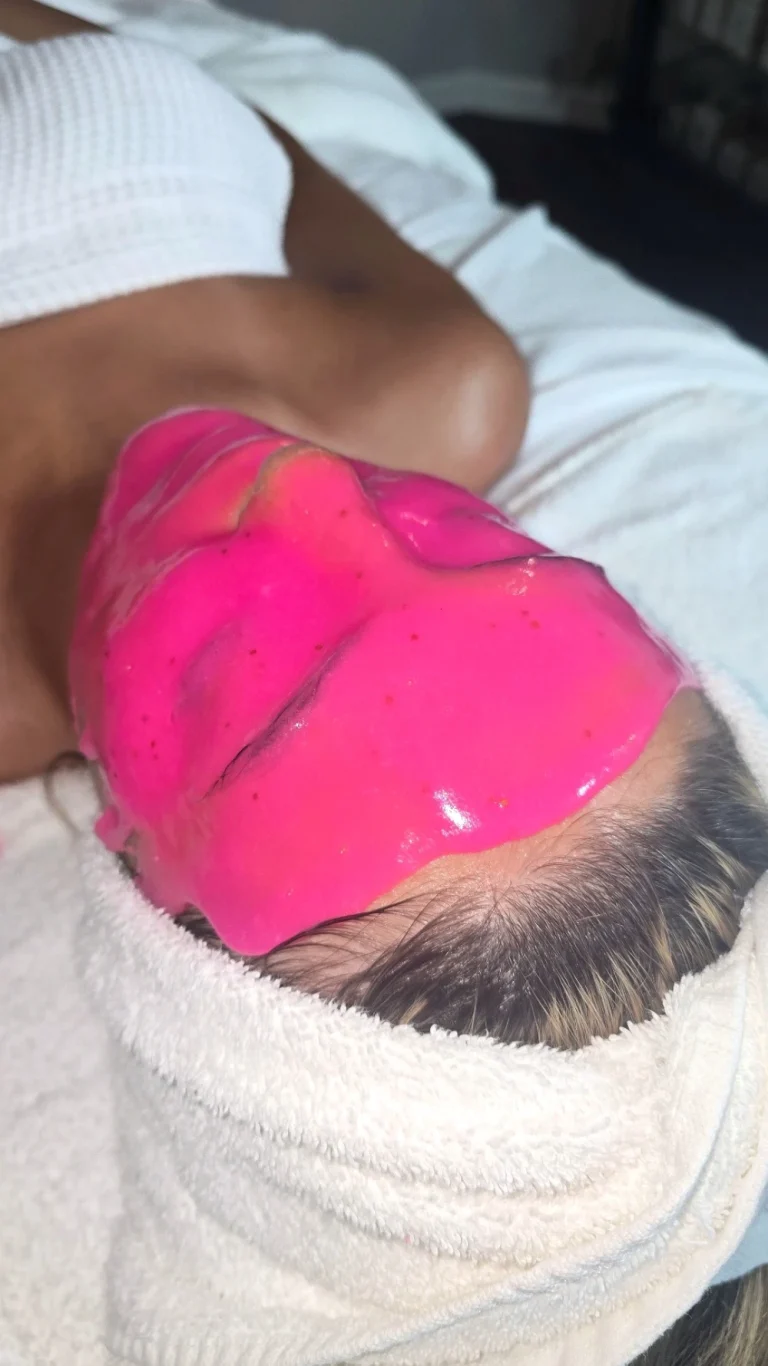
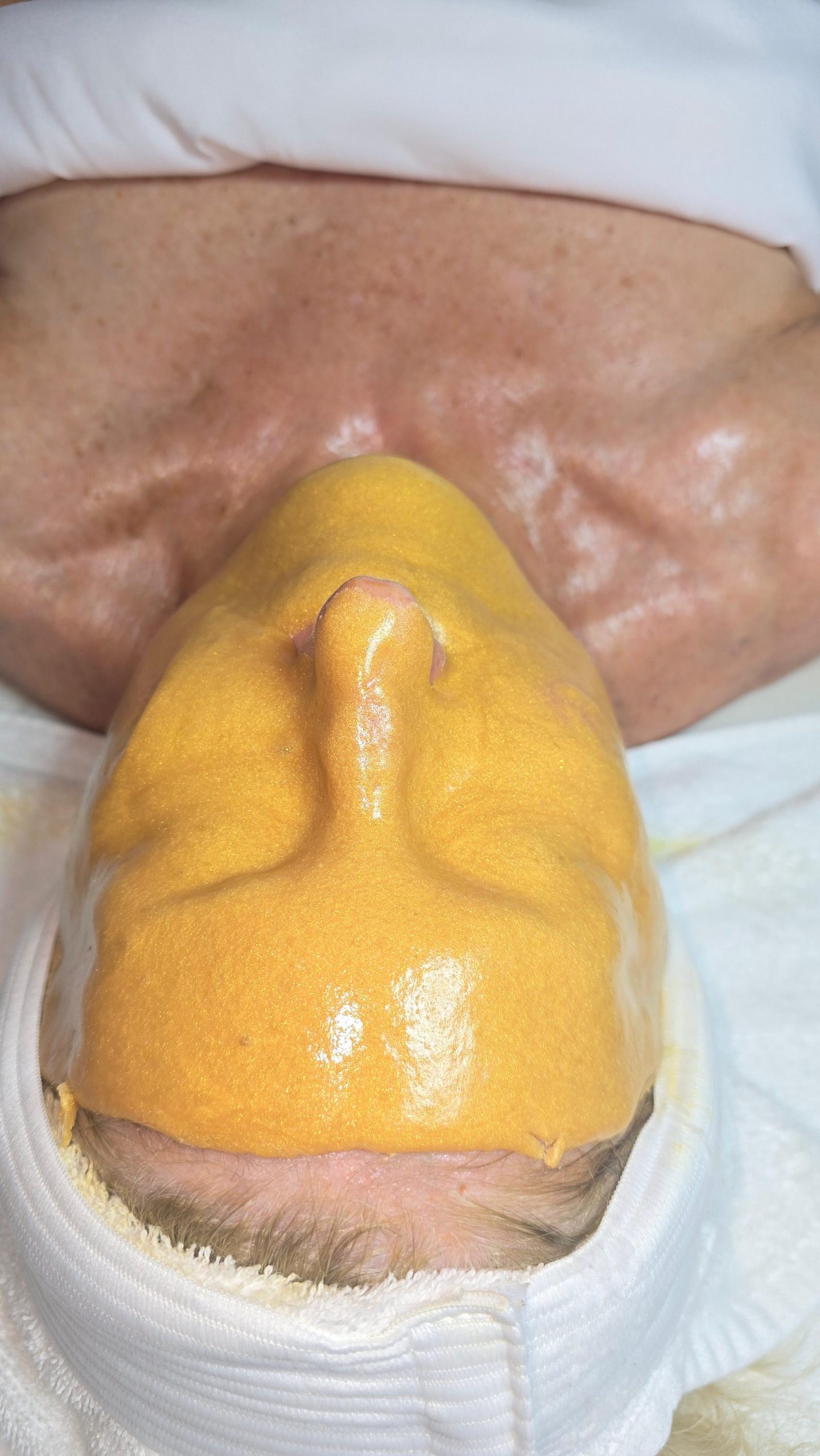
Professional vs Amazon Jelly Masks: Ingredient and Performance Differences
Jelly masks are widely available today. Large marketplaces offer dozens of options that may appear similar at first glance – bright colors, familiar textures, and common claims of deep hydration. For licensed estheticians and spa owners, however, product selection becomes much more important. In a professional setting, the wrong product can affect treatment outcomes and potentially harm a practitioner’s reputation.
Many retail masks visually resemble professional formulas but differ significantly in raw material quality. Professional jelly masks are developed for treatment-room conditions, where predictable mixing behavior and reliable peel integrity are essential. Retail products often prioritize low price, while brands such as Luminous Skin Lab focus on formulas designed to support specific esthetic treatment protocols.
The difference in quality becomes most noticeable at critical moments during treatment, such as when a mask is applied to reactive skin after exfoliation or extractions. A poorly formulated mask may compromise the final results of the procedure rather than support the skin’s recovery.
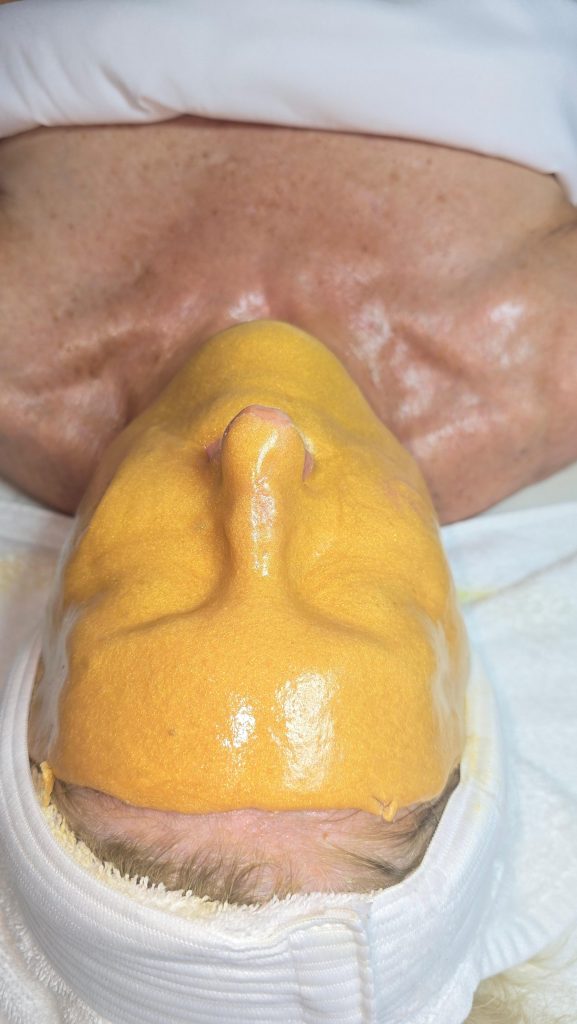
Whats Different Between Amazon Jelly Masks and Professional Masks?
Choosing the right product can be difficult when the market offers so many options. Ordering from Amazon is convenient and familiar, with no verification required. Professional jelly mask brands such as Luminous Skin Lab, however, follow a different model. Pricing and ordering access typically become available only after creating a professional account. This system helps maintain professional distribution and ensures that the products are used within licensed treatment settings.
However, access control is not the primary difference. The most important distinctions between professional formulas and mass-market masks relate to three technical factors: alginate quality, filler purity, and a balanced electrolyte profile.
Alginate Quality and Source
Professional formulas typically use potassium alginate, an ingredient derived from marine algae that undergoes multiple purification stages. This process allows the mask to form a smooth, uniform gel during mixing. When water contacts the powder, the alginate creates an elastic structure that sets evenly and adapts closely to the skin’s surface.
Retail products found on large marketplaces often rely on lower-grade alginate or technical alginate salts with higher impurity levels. These materials are less suitable for professional treatment protocols. Inconsistent molecular structure can prevent the formation of a stable occlusive layer. Instead of a uniform mask, the mixture may lose moisture quickly or begin to crumble before the treatment is complete.
Filler Purity and Type
Professional alginate masks, such as those from Luminous Skin Lab, typically use functional diatomite (diatomaceous earth). This fine mineral helps strengthen the mask structure while also acting as a gentle absorbent.
Budget masks from Amazon often dilute the base with excessive or low-grade fillers such as talc or gypsum to reduce production costs. When these ingredients are used at high levels or without proper formulation balance, they can weaken the physical performance of the mask in several ways:
- Porosity. When fillers are present at high levels, the mask may form a more porous structure after setting, reducing its occlusive effect. As a result, active ingredients from serums applied underneath may evaporate rather than remain sealed against the skin.
- Mixing problems. Excess fillers may cause clumping during mixing, preventing the mask from spreading smoothly across the treatment area.
- Loss of elasticity. When fillers are used at excessive levels, peel integrity may weaken, causing the mask to tear during removal and leave fragments along the hairline or eyebrows.
Professional tip! Examine the powder texture when opening a new jar. A professional-grade alginate mask should have an ultra-fine grind and uniform color without visible particles. If the powder appears grainy or forms clumps during mixing, the formula may contain higher levels of low-grade fillers such as talc or starch. A high-quality alginate typically forms a smooth paste within 30–60 seconds of active mixing, with a texture similar to thick cream that spreads evenly across the skin.
Electrolyte Profile
Another important factor that separates professional formulas from mass-market masks is the presence of a balanced electrolyte system. Without it, a jelly mask functions mainly as a physical barrier. Professional formulas are designed to transform the setting mask into a more functional treatment layer that supports skin hydration and overall comfort during the procedure.
For example, products from Luminous Skin Lab include a balanced electrolyte complex that helps support the skin’s moisture environment throughout treatment.
Budget masks from large marketplaces rarely include similar systems due to cost constraints. In those formulas, the mask acts primarily as a passive occlusive layer and offers limited functional support for the skin.
Professional vs Amazon Jelly Mask: Key Differences
| Characteristic | Professional Jelly Masks | Amazon / Mass-Market Masks |
| Alginate Quality | Purified potassium alginate that forms an elastic texture. | Technical alginate with impurities. |
| Fillers | Functional diatomite that supports structure and absorption. | Corn starch, talc, or gypsum used to reduce cost. |
| Occlusion | Dense occlusive layer that supports deep penetration of applied serums. | Porous layer with risk of moisture and serum evaporation. |
| Electrolytes | Balanced complex (K, Na, Mg, Cl, PO₄) that supports osmotic balance. | Often absent or present only in trace amounts. |
| Peel Integrity | Removes in one elastic sheet without residue. | Tears during removal and may leave fragments on the skin or along the hairline. |
| Fragrance | Minimal to none Designed to remain suitable for reactive or post-treatment skin. | Strong synthetic fragrance designed to attract attention. |
Practical Application in the Treatment Room
Formulation differences help estheticians select the appropriate mask for each stage of a treatment. A formula with purified ingredients and a balanced electrolyte system provides more predictable results during professional procedures.
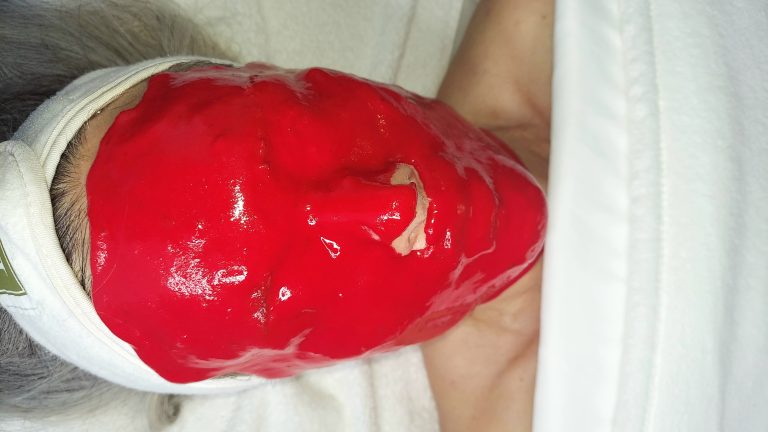
For example, in intensive hydration protocols, the dense structure of Hyaluronic Acid Jelly Mask can create a strong occlusive layer that helps reduce transepidermal moisture loss and support skin hydration during the treatment.
Barrier recovery protocols require a different approach. Masks such as Skin Nourishing Ceramide Jelly Mask help support ceramide delivery to the skin’s lipid layer. When the mask base is properly balanced and free from excessive filler content, the formula can remain evenly distributed on the skin and better support barrier recovery.
What Are the Healthiest Face Masks?
From a professional perspective, a “healthy” mask supports the skin’s protective functions rather than create additional stress. Key characteristics include:
- Biocompatible base.
The formula should rely on high-quality alginate salts and purified minerals such as diatomite. When the base is properly balanced, alginate forms a stable hydrating barrier that helps maintain occlusion and support skin hydration during treatment. - Low reactivity threshold.
The mask should calm the skin and help reduce visible irritation after procedures. - Cooling effect.
A healthy mask provides a gentle cooling sensation. This effect supports mild vasoconstriction and can help reduce swelling after treatments such as extractions or exfoliation.
Professional tip! To evaluate mask quality, examine its elasticity after removal. A professional-grade mask should remain flexible even about 20 minutes after application. Bend the removed sheet. If it behaves like dry plaster or breaks easily, the formula may contain excess filler content or lower-quality binders.
Where Can I Buy Jelly Masks With Clean Ingredients?
Clean ingredients in jelly masks generally refer to formulas that avoid unnecessary components that offer little benefit to the skin but reduce production cost. In professional practice, this factor becomes especially important. Estheticians often apply masks to sensitive skin after procedures such as extractions, exfoliation, or injections, where certain ingredients may increase the risk of irritation or allergic reactions.
A professional formula should meet several key requirements:
- Full INCI transparency.
The label should provide a complete ingredient list according to INCI standards. This allows the esthetician to understand how the mask may interact with active serums or treatment products applied underneath. - Batch traceability. Each jar should include documented production control, confirming that the product has passed quality testing and meets brand standards. Traceability also allows product quality to be tracked from raw material sourcing through distribution to licensed professionals.
- Predictable performance. A well-formulated clean mask provides stable setting time and smooth removal. These characteristics help support consistent treatment timing and reliable results in the treatment room.
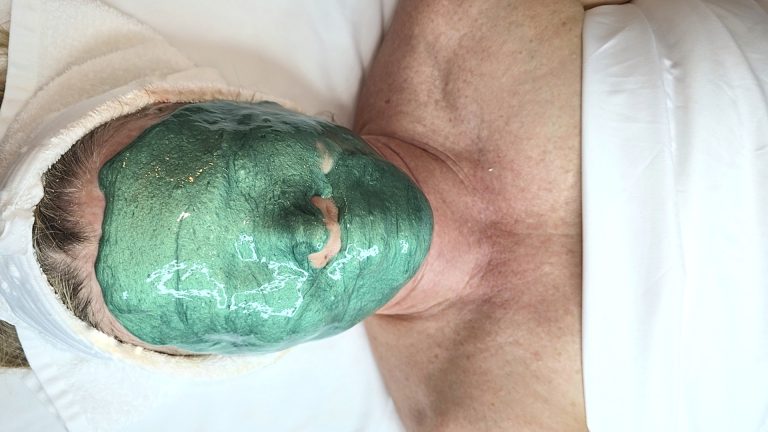
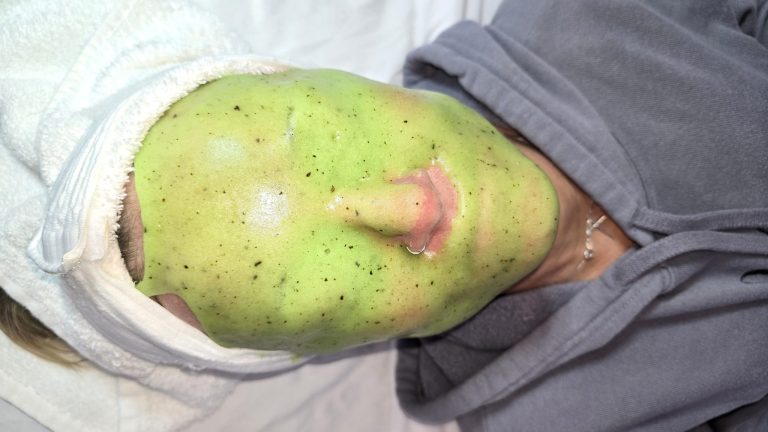
An example of a clean ingredient jelly mask with botanical components is Green Tea Matcha Jelly Mask. The formula includes natural matcha powder with antioxidant properties and a low irritation profile. Transparent ingredient composition helps estheticians better predict treatment outcomes.
Post-procedure protocols require even stricter standards for ingredient purity. The Comprehensive Aftercare Jelly Mask was developed to support recovery protocols, especially after dermaplaning, waxing, or extractions. The formula excludes potentially irritating components and helps calm the skin following treatment.
What Are Ingredients to Avoid in Face Masks?
A well-formulated professional mask should support skin recovery and treatment results. Certain ingredients provide little benefit to the skin and may increase the risk of irritation. Consider avoiding the following components:
- Strong synthetic fragrances.
Complex fragrance blends are a common source of irritation or allergic reactions, especially on skin with a weakened barrier. - Excess artificial colorants.
Pigments that primarily tint the product provide little functional benefit and may increase the risk of irritation in sensitive skin. - Low-quality fillers.
Inexpensive fillers such as talc or similar materials can absorb moisture and weaken the mask’s occlusive properties. This may prevent the formation of a dense, uniform layer and reduce the effectiveness of treatment serums applied underneath. - Aggressive preservatives.
Certain preservatives, including formaldehyde-releasing agents, may increase the risk of irritation or contact dermatitis in sensitive individuals.
Where Can I Purchase Organic Jelly Masks?
Many clients prefer organic jelly masks because they believe the formulas are cleaner and safer. In practice, however, this is not always the case. Certain natural additives, such as oils or coarse plant particles, may interfere with proper mask setting. If the powder contains too many impurities, the prepared mask may become fragile and fail to adhere properly to the skin. As a result, the serum applied underneath can dry out rather than remain sealed against the skin.
Professional brands such as Luminous Skin Lab address this challenge by using purified botanical extracts in carefully balanced proportions. This approach allows the formula to deliver plant-derived benefits without compromising mask elasticity or setting performance.
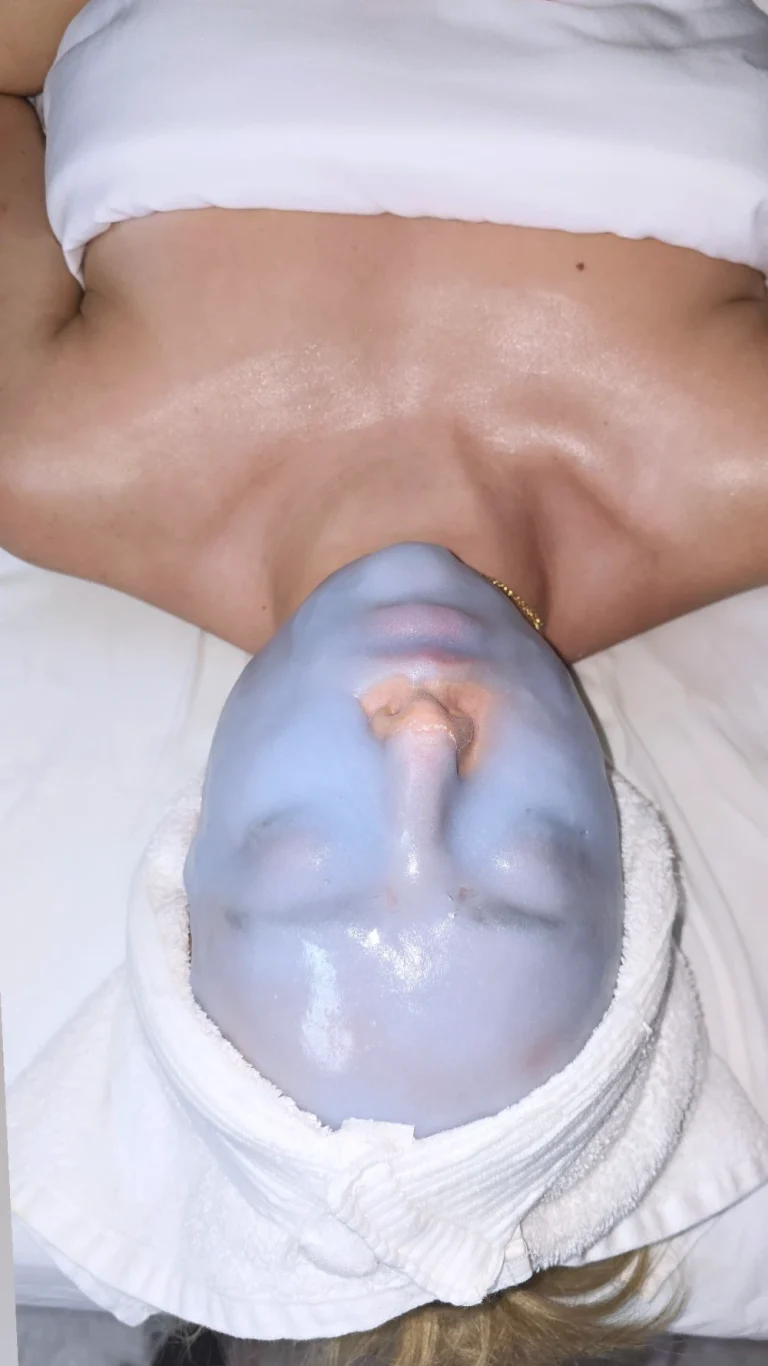
A good example is Epic Blue Glacier Jelly Mask. The formula includes glacier water and refined botanical components that do not disrupt the alginate base. The mask remains strong and flexible, allowing close contact with the skin and creating an effective occlusive layer. As a result, the esthetician can deliver both botanical benefits and deep hydration because the mask maintains its structure and prevents moisture loss.
Professional tip! When selecting organic jelly masks, examine the powder texture and uniformity. High-quality botanical extracts in powdered form should be finely milled and nearly invisible within the base. The product should not resemble a mixture of sand or dried plant particles. Only well-refined extracts allow the mask to set smoothly and remove in one elastic sheet without leaving fragments in the client’s hair or eyebrows.
It is also important to consider allergy risk. Budget “natural” masks may contain unrefined oils or plant particles that can trigger redness or irritation on sensitive skin. Professional organic formulas typically undergo additional purification, helping make them more suitable for use after procedures such as extractions or exfoliation.
Is Esthemax a Korean Brand?
Yes, Esthemax is a Korean brand. The company began in South Korea more than 30 years ago and now operates from the United States. The brand became widely known for its trademarked term Hydrojelly® masks and helped popularize jelly mask treatments in professional spas around the world.
Where Can I Buy Jelly Masks Without Fragrance?
When an esthetician looks for a mask without synthetic fragrance, it usually means the treatment involves a client with very sensitive or reactive skin. Masks that list “Parfum” in the ingredient list may increase the risk of irritation or unexpected reactions. Clients may experience redness, burning, or discomfort, which is not ideal in a professional treatment setting. For this reason, estheticians need to clearly understand how the skin may respond to the products used during a procedure.
It is also important to understand that in some organic jelly mask formulas, a fragrance listed as the final ingredient may originate from botanical extracts rather than synthetic perfume compounds. In these cases, the aroma can come naturally from plant-derived ingredients rather than added synthetic fragrance.
The best option is to purchase fragrance-free masks directly from authorized distributors or professional esthetic supply brands. In the mass market, unscented formulas appear less frequently because many manufacturers add fragrance to make products more appealing to consumers.
FAQ
Jelly masks are most comfortable to remove while they are still soft and cool to the touch. If the mask remains on the skin longer than the recommended 15–20 minutes, the alginate layer may dry completely. At that stage, the mask no longer releases moisture and may begin to draw moisture from the skin’s surface. As a result, the skin may feel dry rather than well hydrated. The mask may also lose elasticity and peel integrity, making removal less comfortable and more likely to tear into small fragments.
The price of jelly masks depends on the brand, jar size, and where the product is purchased. Professional alginate or hydrojelly masks typically fall within the mid- to premium skincare category. Single retail treatments may cost around $20–$30 per application, while large professional jars or salon formats often range from $30–$60 or more, depending on the formula, volume, and spa location.