Jelly Mask Benefits and Market Demand Explained
Five years ago, jelly masks were still considered a niche add-on in many treatment rooms. Today, they’ve become a standard finishing step across a wide range of professional protocols. Estheticians routinely incorporate jelly masks following exfoliation, extractions, and advanced modalities such as microneedling, nano infusion, and chemical peels.
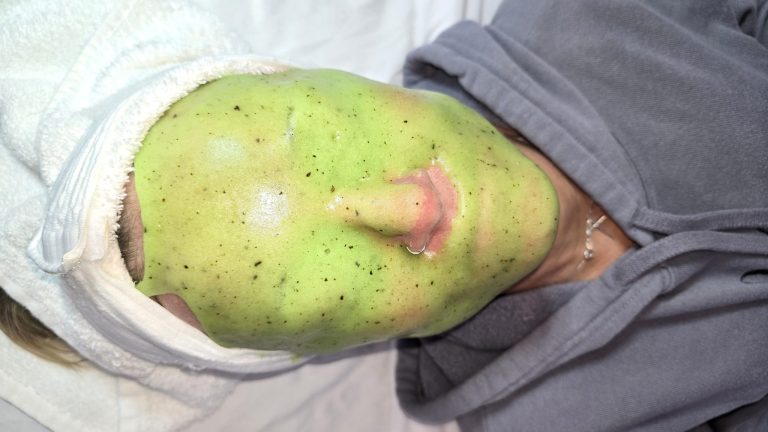
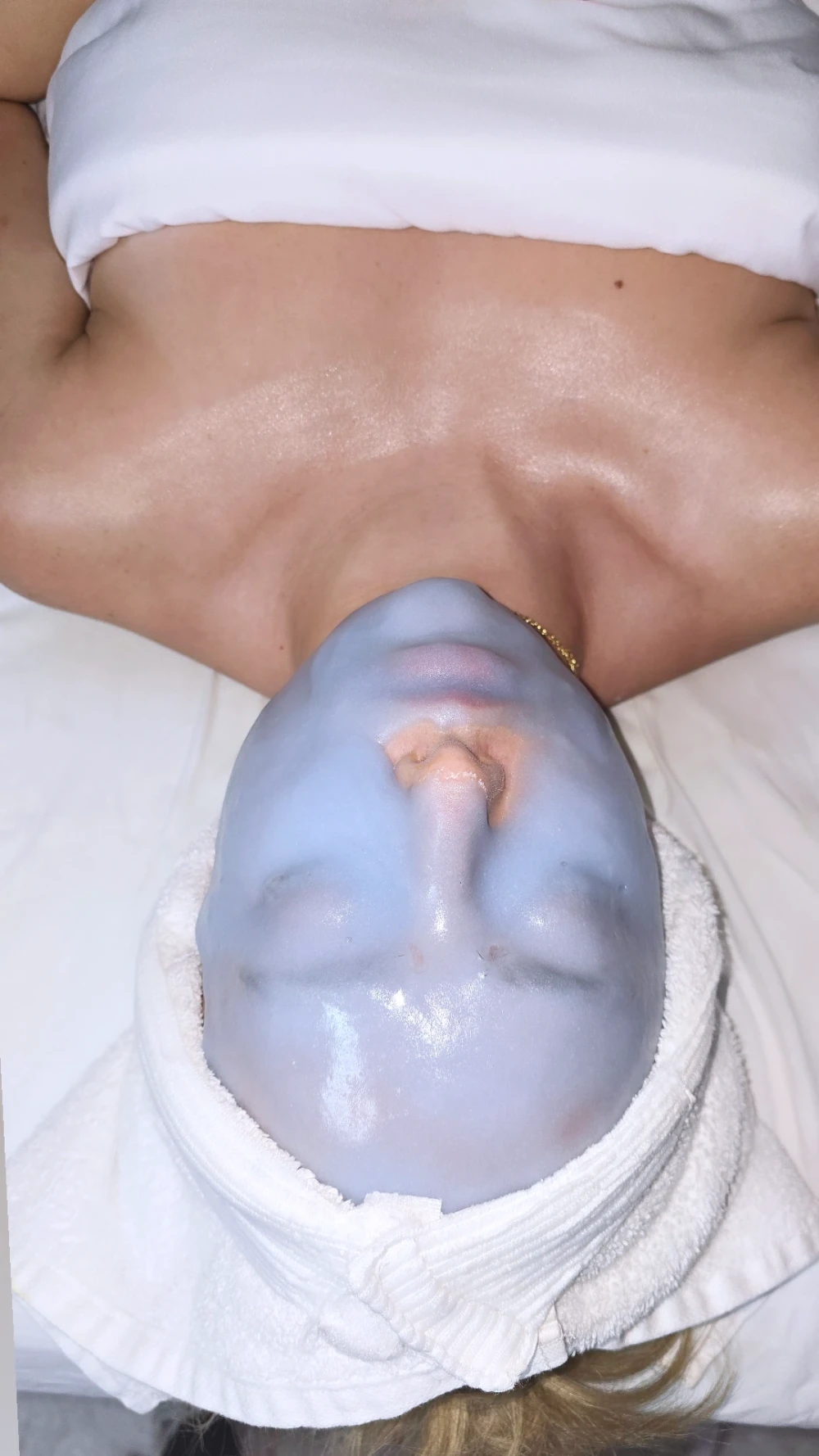
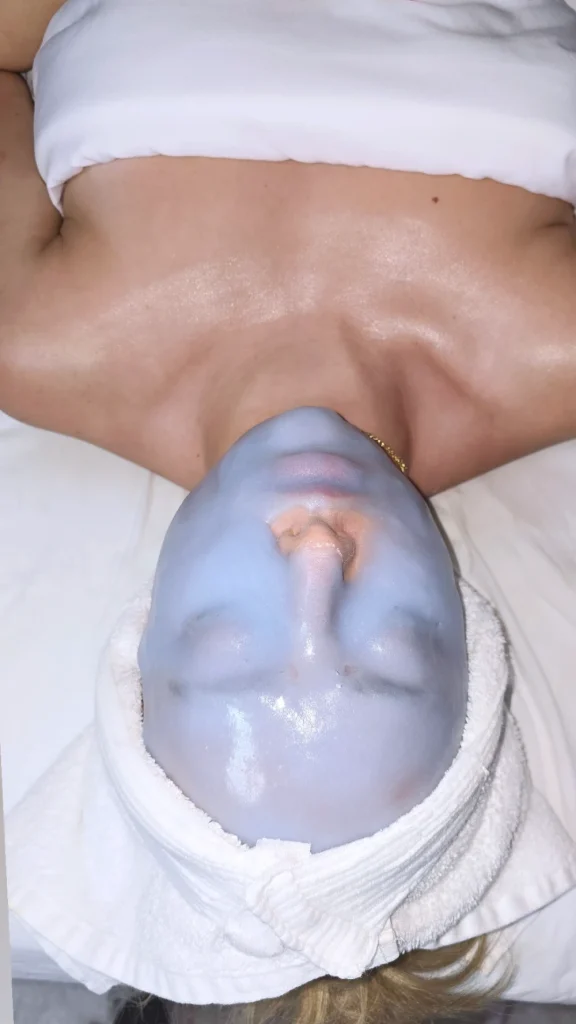
The reason is practical. A well-formulated jelly mask creates a dense, occlusive layer that helps maintain hydration at the skin’s surface while supporting post-treatment recovery. As the mask sets, it forms a flexible, cooling sheet that stays in place allowing for a clean, controlled application without dripping or disruption to the treatment.
It’s also important to distinguish the difference between retail-grade masks and those developed specifically for professional use. Professional formulations, such as those offered by Luminous Skin Lab – Pro Line Series, are designed with the treatment room in mind, prioritizing performance, consistency, and compatibility with advanced services, as well as the practical needs of licensed skincare practitioners.
In this article, we look at the real benefits of jelly masks in clinical treatments and explore why this category continues to see strong demand among licensed professionals and medical spas.
What Are the Benefits of Jelly Masks?
High-quality jelly mask formulations support hydration while improving overall skin comfort during treatment. At the same time, the mask forms an occlusive layer. The alginate base sets into a flexible sheet on the skin, helping to keep hydration in place while enhancing the performance of serums applied underneath. Several alginate jelly mask benefits make this format especially practical in professional treatments.
Occlusive hydration
As the mask sets, it helps reduce transepidermal water loss (TEWL). This allows serums and hydrating products applied underneath to remain on the skin rather than evaporating. Following peels or extractions, this occlusive effect becomes especially beneficial, as the skin barrier may be temporarily compromised and requires additional support.
Hydration-focused formulas, such as Hyaluronic Acid Jelly Mask, demonstrate this effect well. Hyaluronic acid attracts and binds water, while the mask helps retain that hydration within the skin throughout the treatment.
Mild compression and lymphatic support
As the alginate sets, the mask may contract slightly, creating light, even pressure across the skin. This gentle compression can support lymphatic movement, helping to reduce puffiness and improve overall facial definition.
Cooling and redness support
The natural temperature difference between the skin and the mask can encourage mild capillary constriction, helping to reduce visible redness. The cooling effect is gradual, avoiding sudden cold stress while soothing the skin.
Adhesion and impurity removal
The mask adheres closely to the skin surface. As it sets, it can capture residual keratin, environmental particles, and small impurities that remain after cleansing. When the mask is removed, these particles lift away with the sheet. This provides a gentle mechanical cleansing effect.
Electrolyte balance
Many professional jelly masks include electrolytes such as potassium, magnesium, and sodium. These minerals support normal cellular function and help maintain moisture balance within the skin. After treatment, the skin often appears more supple and refreshed.
Skin barrier support
In post-peel and recovery protocols, formulations containing ceramides are especially beneficial. A ceramide-based jelly mask supports hydration while helping to reinforce the skin’s protective barrier following intensive procedures. Skin Nourishing Ceramide Jelly Mask is a strong example, as it not only supports hydration but also helps restore barrier function after treatment.
Easy removal
This step is often underestimated. The mask removes cleanly in one piece, without the need for rinsing, sponges, or friction. This is especially important for post-procedure skin, where minimizing contact helps reduce the risk of irritation.
Professional tip. If your protocol includes a device-based treatment—such as microneedling, microcurrent, or RF—applying a jelly mask afterward helps calm the skin and support overall results. It also provides a clear, finished experience for the client, reinforcing the value of the treatment.
Are jelly masks effective?
Yes. Jelly masks work through several simple mechanisms. The occlusive layer helps retain hydration within the skin, which can be measured using a corneometer before and after treatment, often showing a visible difference. The cooling effect may also help reduce redness, leaving the skin more hydrated and less reactive by the end of the procedure.
Another important factor is how the mask works in synergy with the products applied underneath. On its own, the mask is not intended to treat the skin directly. Instead, it creates an optimal environment. As the alginate sets, it forms light, even pressure across the skin, helping to keep serums in contact with the surface and support their absorption.
The benefits may also extend beyond the treatment itself. Within the first 24–48 hours, improved hydration can support skin barrier recovery, especially following procedures such as microneedling or intensive cleansing.
Are Jelly Masks Popular?
Jelly masks have become increasingly popular in professional skincare for several reasons. First, they combine visible results with a relaxing, sensory experience. In addition, social media has played a significant role in driving their growth and visibility.
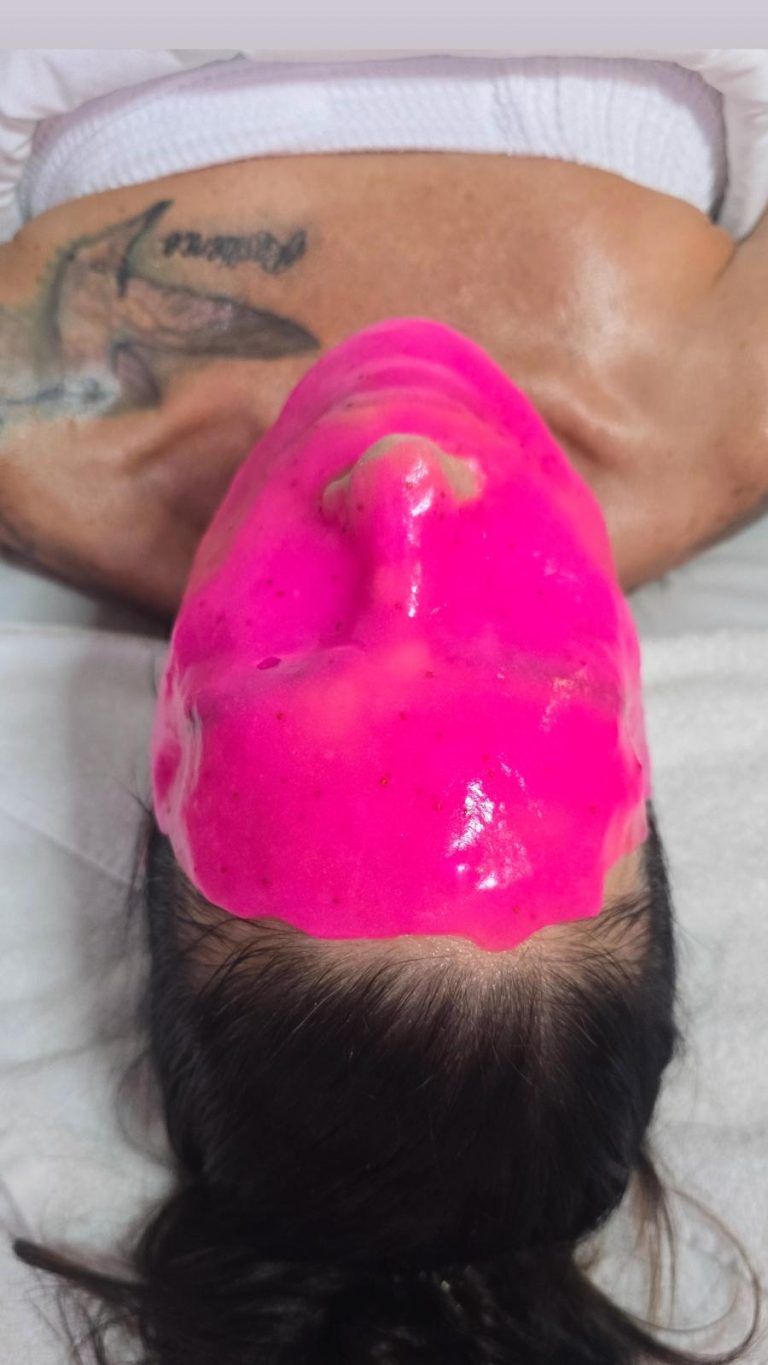
The removal of a jelly mask, in particular, attracts attention. It has become one of the most “watchable” moments in skincare content. The visual of a single, elastic sheet being gently lifted from the client’s face translates well in short-form video—often more effectively than a verbal explanation of the treatment itself. As a result, alginate peel-off mask videos consistently generate high engagement and millions of views.
As a result of this exposure, clients are entering treatment rooms with clear expectations, often requesting jelly masks for both their clinical benefits and elevated treatment experience.
Estheticians themselves receive a double benefit from this popularity:
- Clients arrive already motivated and prepared for the treatment.
- During the treatment, the practitioner can naturally film content for their own account.
At the same time, a broader trend has taken shape. It is the demand for an immediate, visible result, but without aggressive procedures. Clients are increasingly moving away from treatments that require extended downtime. Instead, they want to leave the treatment room with skin that looks hydrated, calm, and well cared for.
This is exactly the request that a jelly mask answers:
- After the mask, the skin appears calm, hydrated, and visually more even.
- No redness.
- No feeling of tightness.
This is exactly the need that jelly masks address.
Following application, the skin appears calm, hydrated, and more even in tone, without visible redness or post-treatment tightness. In practical terms, this is what a professional jelly mask treatment delivers.
So the popularity of jelly masks is well deserved. They:
- are suitable for use after advanced or invasive procedures, as they require no rinsing or mechanical friction;
- are compatible with a wide range of skin types and conditions;
- provide consistent, predictable results in texture, setting time, and performance;
- fit easily into an existing protocol as a finishing step;
- offer a clear moment of relaxation that enhances the overall client experience;
- create a strong visual “wow effect,” supporting organic marketing and client retention.
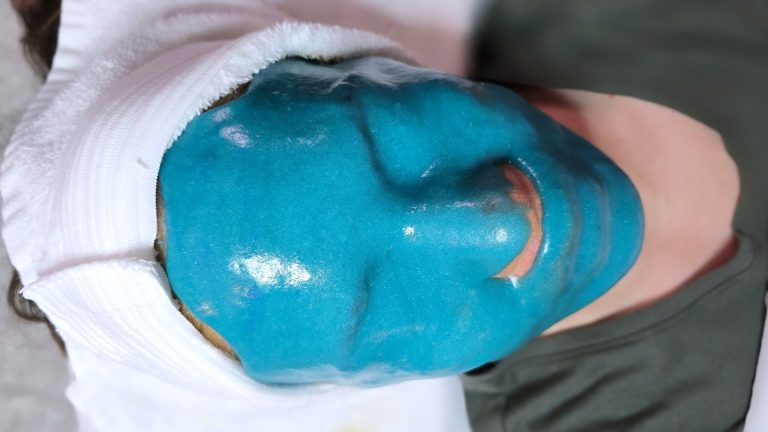
Cooling formulas, such as Epic Blue Glacier Jelly Mask, illustrate this market demand well. They provide a noticeable soothing effect and a comfortable sensory experience that encourages clients to return for repeat treatments.
At the same time, demand for hydration-focused mask treatments has grown alongside increased awareness of skin barrier function and more intentional skincare practices. Clients are no longer seeking procedures without a recovery component. Instead, they value treatments that support the skin both during and after the service and the jelly mask addresses this need naturally, without requiring extensive explanation.
What Are the Benefits of Using a Jelly Mask?
It ultimately comes down to predictable, consistent results, and outcomes that align with what the esthetician expects from the treatment. First, jelly masks provide intensive hydration. By creating an occlusive environment, active ingredients remain on the skin without evaporation or loss of effectiveness.
Jelly masks also help calm the skin following peels, extractions, or device-based procedures, supporting a reduction in irritation and visible redness. Jelly masks also create a sealed occlusive environment for serums applied underneath. The benefit is straightforward: the products stay in place, allowing for more effective absorption. Finally, the visible result plays an important role. After application, the skin appears smoother, more hydrated, and refreshed, exactly the outcome clients expect at the end of a professional treatment.
How Do You Feel About Jelly Masks?
Many estheticians consider jelly masks a practical finishing step in a treatment. Their main task is to improve skin comfort, reduce inflammation, and replenish the skin. They also help present the procedure in a more appealing way. For example, In post-procedure protocols following more intensive treatments, practitioners often select recovery-focused options,such as the Comprehensive Aftercare Jelly Mask. It focuses on recovery and comfort to support the skin during its most vulnerable phase.
Another important consideration for a practicing esthetician is workspace cleanliness. Once set, the mask removes in one motion as a single sheet when applied with the correct mixing ratio. There is no rinsing required, aside from lightly wiping around the edges if needed. If incorporating a facial massage, a warm towel can be used afterward, followed by LED therapy or finishing products. By this stage, the skin has already absorbed the benefits of the active ingredients and the occlusive properties of the jelly mask.
Professional tip! Jelly masks do not require special protection of the eyebrows or hairline; however, for added precision, estheticians may choose to use a disposable headband or place gauze or 4x4s along the hairline if preferred.
Mixing ratio plays an important role in both application and removal. Instead of a standard 1:1 powder-to-water ratio, using slightly more powder creates a thicker consistency, which helps prevent dripping into the hairline or onto linens and allows for a cleaner, more controlled application. A thicker application—especially around the edges—also supports easier, one-piece removal. For estheticians new to jelly masks, a ratio of approximately 2.5 scoops of powder to 2 scoops of water is an ideal starting point for optimal consistency and peel integrity.
Does a Jelly Mask Peel Off?
Yes, and this is one of its key practical advantages.
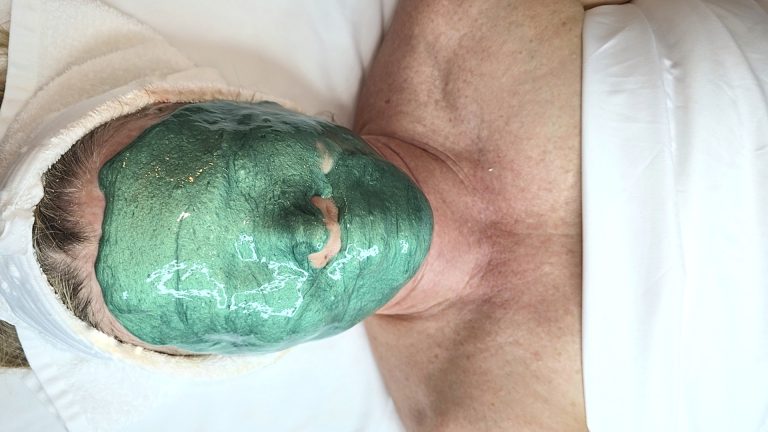
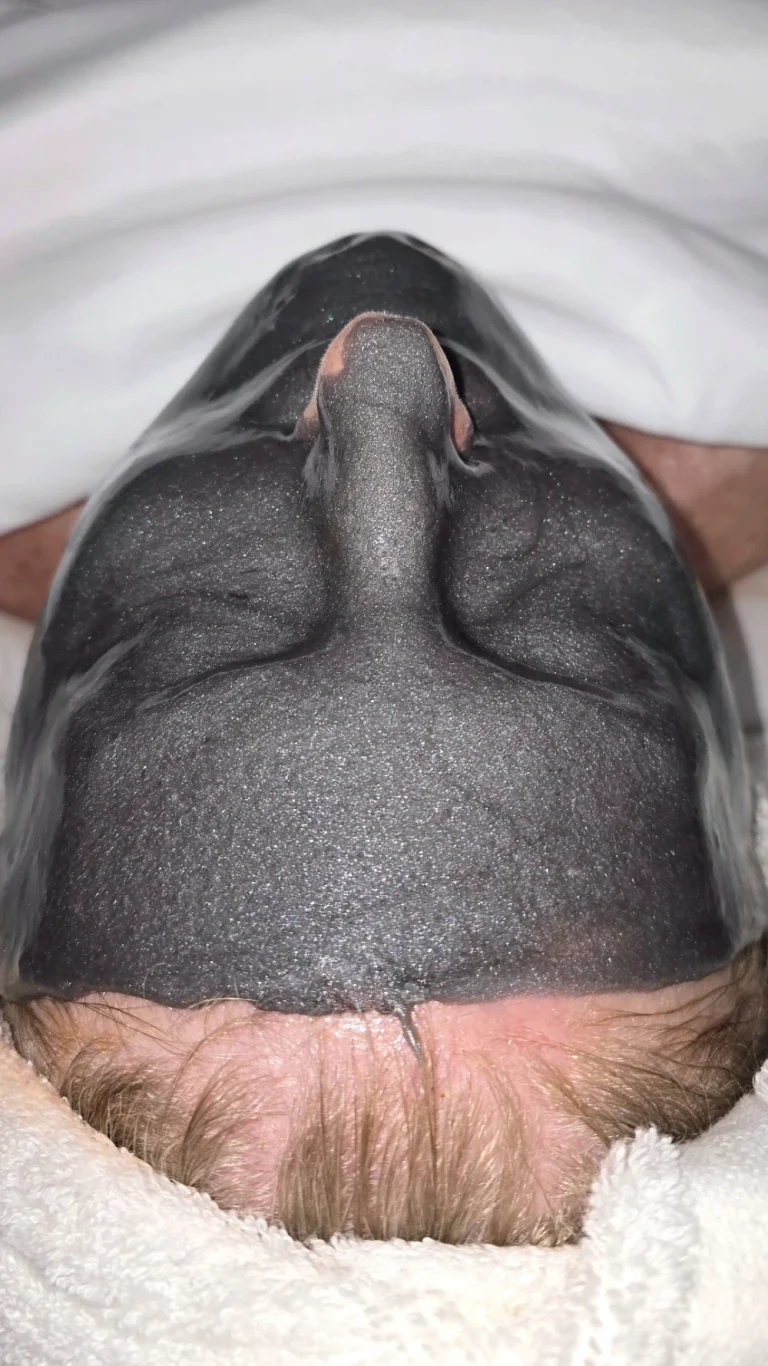
Most professional finishing masks are based on alginate, a derivative of marine algae. When the powder is mixed with water, a setting reaction begins. The formula gradually transforms from a gel into a dense, flexible sheet that conforms to the contours of the face. The mask adheres closely to the skin and remains in place throughout the treatment.
After approximately 10–15 minutes, the mask sets completely. The esthetician can then lift the edge and remove it in one motion. When applied correctly, the mask peels off evenly, typically without tearing.
Minimal to no residue is left on the skin, and no additional rinsing is required. This is what makes alginate peel-off masks a convenient and efficient option in professional treatment rooms.
Are Jelly Masks Worth It?
In professional skincare, the cost of jelly masks is often justified by the value they bring to a treatment. They help improve hydration levels, enhance skin comfort during the procedure, and elevate overall client satisfaction.
Experienced estheticians no longer evaluate products based on how actively they are promoted. The real question is simple: does the product perform in a real treatment, and does it make sense within a working business model? With jelly masks, the answer is typically yes—for several clear reasons.
A professional jelly mask enhances the final result of the procedure. The skin appears hydrated, calm, and more even in tone—exactly what the client sees in the mirror before leaving the treatment bed. That final moment often shapes the client’s overall impression of the service.
A satisfied client is more likely to return, and consistency in rebooking supports long-term revenue. While a jelly mask alone does not retain a client, it contributes to an elevated treatment experience that encourages repeat visits. A well-executed finishing step tends to leave a lasting impression.
Most clients are receptive when they understand that the mask is not simply an add-on, but a step that supports the outcome of the treatment. Over time, many begin requesting it themselves—an indication that it has become part of their expected experience.
From a cost perspective, jelly masks fall within an accessible price range among professional skincare products, while still adding a complete and results-driven step to the protocol. The balance between cost and perceived value works strongly in their favor.
A reliable jelly mask sets within a predictable timeframe, removes cleanly, and delivers consistent results. This level of predictability supports workflow efficiency and reduces variability, which is especially important in a busy treatment schedule.
Jelly masks remain a staple in many protocols because they address multiple practical needs at once. They:
- improve the final result of the procedure
- increase skin comfort during and after treatment
- support client retention
- contribute to increased treatment value
For a professional practice, these benefits make jelly masks a practical and reliable step within modern facial protocols.
How Often Should You Use a Jelly Mask?
In professional practice, there is no single rule. Frequency depends on the client and the purpose of the treatment. A few common scenarios include:
- For clients receiving regular skincare treatments every two to three weeks, a jelly mask can be incorporated into each visit. This is not excessive. Occlusive hydration and the calming effect remain helpful at every appointment, especially when the protocol includes more active steps.
- For clients undergoing a treatment series, such as chemical peels, a jelly mask can be used during each session as part of the recovery phase. During active treatments, consistent support of the skin barrier is essential.
In spa-format treatments, a jelly mask is typically applied once as the final step of the protocol, helping to complete the service while enhancing overall skin comfort and visible results.
FAQ
When referring to professional formulations, the answer is yes. The concept is straightforward: the mask forms an occlusive layer that helps maintain hydration within the skin, allowing active ingredients to perform more effectively. Jelly masks may also help reduce visible redness and promote a more even-looking skin tone, while supporting recovery by strengthening the skin barrier and replenishing the skin with calming botanicals, electrolytes, and moisture-binding ingredients.
The exact timing depends on the formula and the treatment protocol. On average, a jelly mask remains on the skin for approximately 15–20 minutes. During this time, the alginate fully sets, allowing the ingredients to perform effectively while providing the client with a relaxing treatment experience.
In general, yes. However, the primary factor is the client’s skin concern, not just their skin type. There is no single formula that works for everyone, which is why professionals select jelly masks based on each client’s specific needs and treatment goals.
A mask helps support hydration and calm the skin following active treatment steps, while enhancing the overall result of the procedure. The client can both see and feel the difference immediately. For the practitioner, it serves as a reliable finishing step—delivering consistent performance and helping create a strong final impression of the treatment.