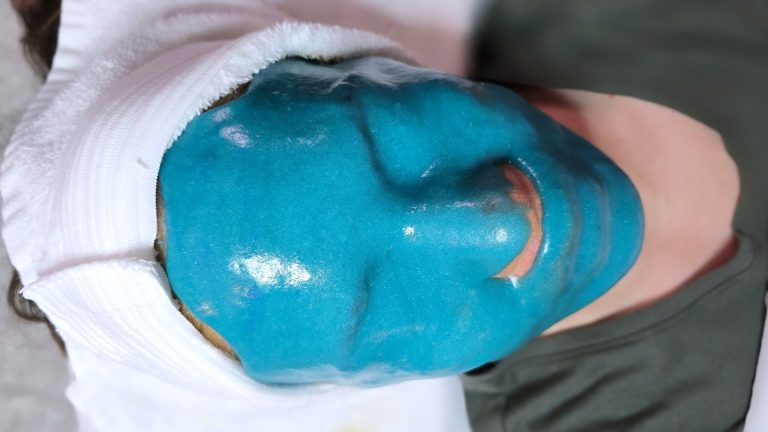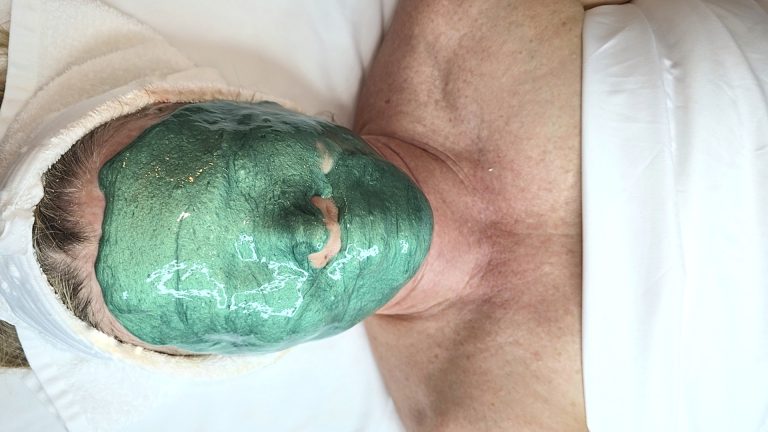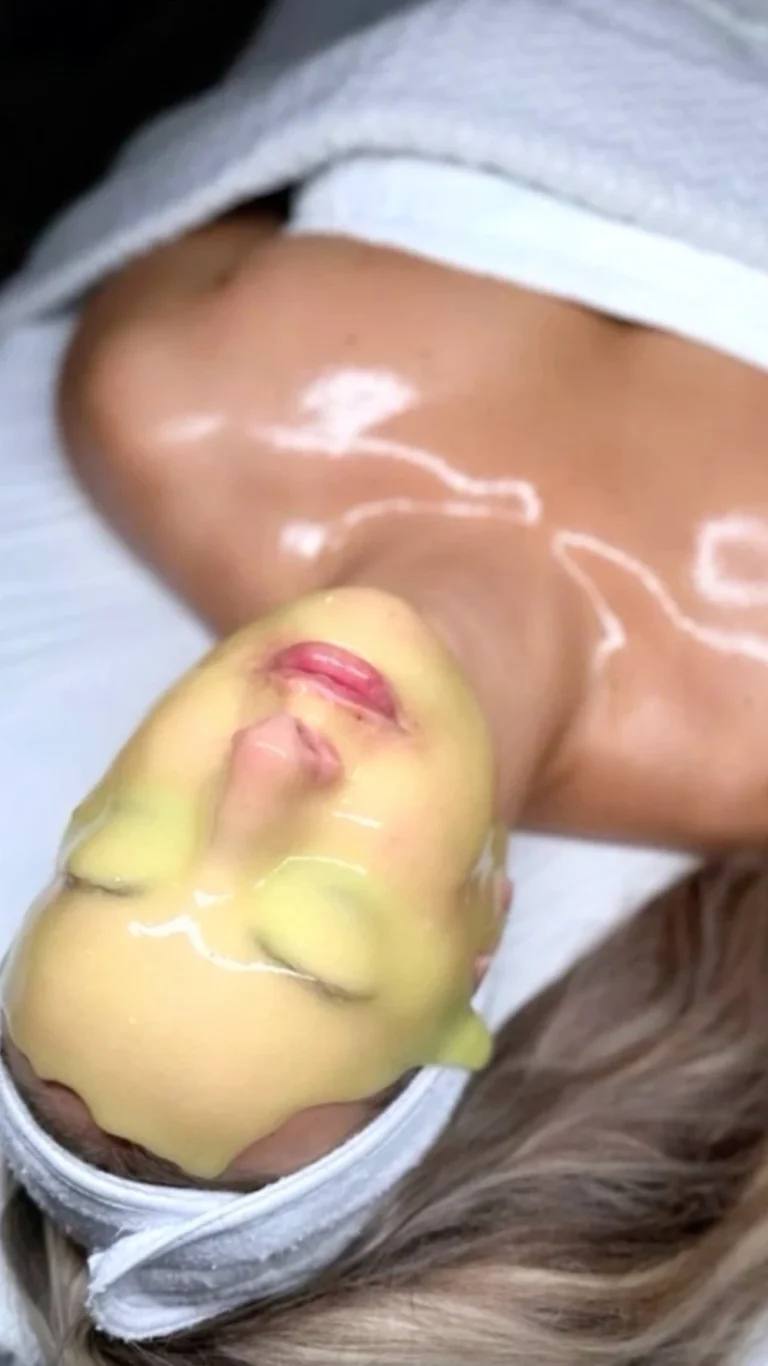
Are Jelly Masks Good for Dry, Sensitive, and Acne-Prone Skin?
Estheticians use jelly masks primarily for hydration. However, their suitability is never absolute from a professional standpoint. The compatibility of a jelly mask with dry, sensitive, or acne-prone skin depends entirely on its structural design, ingredient architecture, and functional behavior during application. Hydration delivery, occlusion, and calming effects represent distinct mechanisms and should not be conflated in clinical decision-making.
- Hydration does not automatically imply barrier support in professional skincare.
- Occlusion is not synonymous with calming either.
- Poorly balanced formulas may transiently increase surface moisture while aggravating TEWL or sensory reactivity.
Professional jelly masks, by contrast, can support multiple skin conditions when their formulation ensures predictable alginate occlusion, electrolyte balance, hydration-binding systems, and controlled cooling.
Formulations by Luminous Skin Lab emphasize structural predictability. Their jelly masks rely on alginate-based matrices, PolyLuronic™ hydration-binding technology, and electrolyte-supported systems. This means they help stabilize the skin environment across different clinical scenarios. However, what interests us more now is whether they are suitable for safe care for dry, sensitive, and acne-prone skin. Let us discuss this in more detail now.
Are Jelly Masks Good for Dry and Dehydrated Skin?
Dry and dehydrated skin shares overlapping symptoms. However, they differ in etiology. Dry skin reflects a deficiency in epidermal lipids. Dehydration is characterized by increased TEWL and impaired hydration retention within the stratum corneum. Understanding this distinction is essential when evaluating whether a jelly mask for dehydrated skin is appropriate. At the formulation level, hydration is supported through three primary mechanisms:
- Moisture delivery via humectants. These ingredients increase moisture content in the stratum corneum by binding free water molecules and supporting controlled corneocyte swelling. In PolyLuronic™ technology, polyglutamic acid and hyaluronic acid deliver uniform hydration and support enzymatic processes involved in barrier normalization.
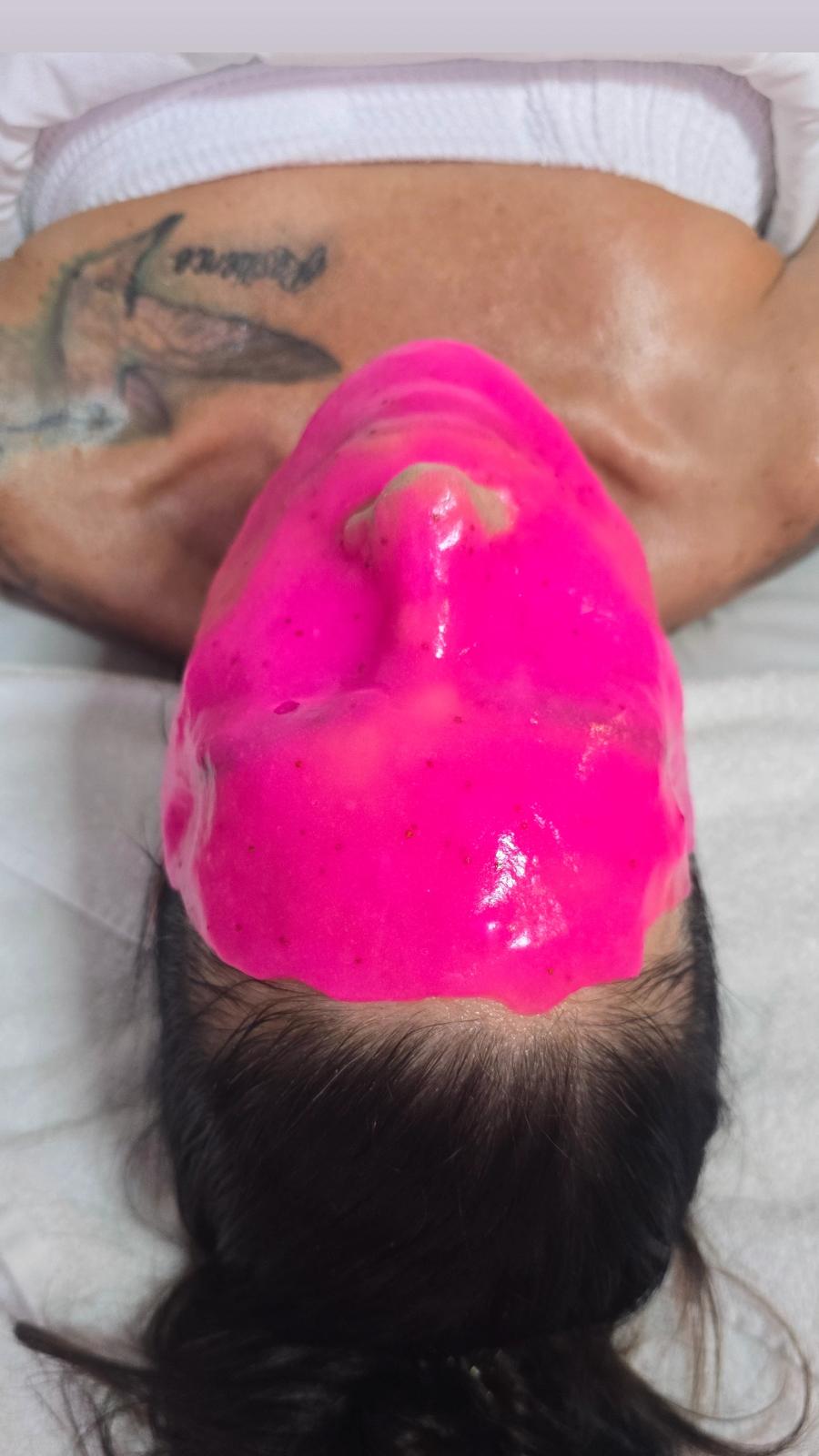
- Hydration retention through occlusive sealing. Jelly masks are made on an alginate base. Because of this, they form a continuous semi-occlusive gel matrix. As a result, during the setting process, such masks fully adapt to the shape of the face and follow its contours. This leads to minimal air exposure. In turn, this slows transepidermal water loss. Hydration levels stabilize. All without clogging pores or creating excess lipids.
- Barrier-support hydration and recovery. Jelly masks create a microenvironment favorable for barrier recovery because they reduce TEWL and maintain hydration under occlusion. Electrolyte-rich systems support osmotic balance, while controlled cooling modulates sensory response and post-treatment reactivity. As a result, the mask application period functions as an active barrier-support phase.
Professional formulations built on these mechanisms help stabilize hydration in dehydration-prone skin. For example, the Luminous Skin Lab collection includes several formulas that support hydration stability:
- Hyaluronic Acid Jelly Mask – shows the distinction between hydration delivery and retention. PolyLuronic™ technology combines polyglutamic acid with hyaluronic acid, enhancing water-binding capacity. Its alginate base helps limit evaporation.
- Skin Nourishing Ceramide Jelly Mask – supports lipid reinforcement within the barrier. It is relevant in dry skin scenarios where hydration goes along with structural repair. Its formulation is an example of a barrier-first treatment approach.
- Fountain of Youth Jelly Mask – supports hydration retention and improves skin elasticity. It is suitable for dehydration-prone skin that requires both moisture stability and visible plumping support.
Is a jelly mask good for dry skin?
A jelly mask can be suitable for dry skin only when it prioritizes barrier reinforcement alongside hydration retention. Water delivery alone is insufficient. Newly delivered moisture evaporates rapidly without occlusion, which often worsens post-treatment tightness.
What is the best thing for dehydrated skin on your face?
Barrier-supportive hydration that reduces TEWL is the most impactful. Occlusive structures slow evaporation and allow humectants to bind water within corneocytes more effectively. Hydration delivered by a face mask is the result of a coordinated mechanism that acts on moisture availability, retention, and barrier function during the treatment window.
What are the benefits of hydrating jelly masks?
The benefits of professional jelly masks include sustained hydration under occlusion, improved corneocyte swelling, and a stabilized microenvironment conducive to barrier repair.
Can Jelly Masks Calm Sensitive Skin?
Sensitive skin requires increased attention because it reacts more sharply to procedures. Moreover, temporary redness is not the only consequence; barrier function impairment may also occur. Therefore, the answer to whether a jelly mask is suitable for sensitive skin depends on inflammation modulation, temperature control, and ingredient tolerability.
In skincare scenarios, these products are uniquely suited to address these challenges by integrating:
- Inflammation modulation. Jelly masks support the calming of reactive skin by maintaining hydration and reducing TEWL. Polyglutamic acid and hyaluronic acid help stabilize the stratum corneum and may decrease pro-inflammatory signaling.
- Cooling vs overcooling. Controlled cooling provides immediate sensory relief and vasoconstriction without overstressing the skin. Professional masks avoid overcooling that may compromise microcirculation or delay enzymatic barrier repair.
- Barrier-safe hydration. It is delivered and retained via the alginate gel matrix, which forms a semi-occlusive layer. Professional masks support water retention without clogging pores or irritating reactive skin.
- Sensory comfort. Due to its jelly-like structure, the mask precisely follows the contours of the face and adheres to the skin as closely as possible. This ensures even contact and gentle tactile feedback. All of this minimizes the feeling of discomfort, while the sensation of a soothing effect during procedures is enhanced.
To avoid making a mistake when choosing a jelly mask for sensitive skin, it is important to select products with a cooling effect. They should also retain moisture well. Predictable setting is equally important. Products from the Luminous Skin Lab line fully meet these criteria, for example:
- Epic Blue Glacier Jelly Mask – well suited for skin prone to redness or after procedures because it provides controlled cooling.
- Divine Egyptian Rose Jelly Mask – soothes the skin and delivers a feeling of complete comfort.
- Luminous LED Light Jelly Mask – highly compatible with device-based procedures and sensitivity after light or energy exposure.
Is a jelly mask good for sensitive skin?
Yes, when cooling is controlled and barrier-safe hydration is prioritized. Aggressive temperature shifts or unstable formulations may provoke reactivity rather than promote calm.
What kind of mask is suitable for sensitive and dehydrated skin?
Masks that combine gentle occlusion, hydration retention, and neurosensory comfort are the most appropriate.
How to hydrate extremely sensitive skin?
Hydration should be delivered under occlusion with minimal ingredient complexity and without excessive stimulation.
When Are Jelly Masks Safe for Acne-Prone Skin?
When it comes to choosing a mask for acne-prone skin, it is important to prioritize formulas that provide proper hydration (but without clogging pores!)
Overall, whether jelly masks are good for acne depends on ingredient synergy. Composition density also plays a significant role. Professional products provide the following effects:
- Non-comedogenic hydration. It is delivered through alginate-based matrices and water-binding agents such as polyglutamic acid and hyaluronic acid. As a result, hydration is preserved, but this occurs without filling follicles or increasing pore blockage.
- Inflammation control. Professional jelly masks contain antioxidants and electrolyte-rich systems. They help reduce erythema and inflammatory signals. This supports skin recovery.
- Prevention of lipid overload. Structural occlusion underlies jelly masks. This prevents pore blockage. However, it does not affect hydration efficiency.
- Barrier restoration without clogging pores. The masks support intercellular lipids and improve corneocyte cohesion.
Optimal choices are formulas that provide proper hydration and have a calming effect on the skin. It is also important that they support the skin barrier without leading to clogged pores. Professional products, such as Green Tea Matcha Jelly Mask, See Bee Dee 1000 MG Heal Jelly Mask, or Radiance RX Jelly Mask, take all of this into account.
Are jelly masks good for acne?
They can be, provided they offer non-comedogenic hydration and inflammation modulation without congestive lipids.
Do jelly masks clog pores?
Properly formulated jelly masks rely on alginate occlusion rather than pore-blocking oils, which reduces the risk of congestion.
Can I use a mask when I have acne?
Yes, if the mask supports calming and barrier repair without exacerbating follicular obstruction.
What type of mask is best for acne-prone skin?
Lightweight, hydration-binding masks with anti-inflammatory support are typically the safest and most effective choice.
Which Ingredients Help — and Which May Trigger Breakouts?
From a professional formulation perspective, ingredient evaluation for acne-prone and reactive skin must focus on functional behavior within the formula. The same ingredient may be supportive or problematic depending on its delivery system, formulation weight, and interaction with occlusive structures.
These ingredients support acne-prone skin by improving hydration stability, reducing inflammatory signaling, and reinforcing barrier function without increasing follicular congestion.
| Ingredient | How It Helps Against Breakouts |
| Alginates | Reduces TEWL without penetrating follicles or creating lipid buildup. |
| Polyglutamic Acid | Increases surface and upper-layer hydration; reduces inflammation associated with dehydration-induced barrier stress. |
| Hyaluronic Acid | Helps normalize barrier function without stimulating sebum production or clogging pores. |
| Electrolytes | Stabilize the skin environment under occlusion, reducing physiological stress and supporting enzymatic processes involved in barrier recovery. |
| Antioxidants | Modulate oxidative stress, neutralize reactive oxygen species, and reduce inflammatory signaling. |
| Ceramides | Reinforce the intercellular lipid matrix, improve barrier resilience, and support repair without contributing to comedogenic buildup. |
Hydration-binding systems in professional jelly masks consistently outperform pore-blocking components. They support barrier repair without increasing follicular congestion.
Breakouts are more often triggered by formulation behavior and delivery systems than by individual ingredients alone. Components that may increase congestion or irritation in acne-prone or inflamed skin include:
- heavy lipid occlusives;
- highly absorbent substrates;
- poorly balanced humectant systems;
- aggressive sensory stimulators.
What not to put on irritated skin?
Irritated and acne-prone skin requires formulations that minimize physiological stress. Ingredients or systems that increase friction, cause thermal shock, or add excessive occlusive weight should be avoided at this stage. To help prevent breakouts, irritated skin should not be exposed to:
- heavy lipid occlusives that increase follicular pressure;
- highly absorbent substrates that pull moisture away from the skin;
- unstructured formulations with unpredictable setting behavior.
Lightweight, refinement-focused formulas help avoid these risks by creating a stable, flexible layer that maintains hydration and reduces sensory overstimulation.
How to Choose the Right Jelly Mask for Specific Skin Concerns?
Professional jelly mask selection should follow evaluation logic. Not trends or single-ingredient appeal. Estheticians must assess the following aspects before recommending a mask:
- Assess the skin condition rather than relying on skin type labels.
- Identify barrier integrity and TEWL risk.
- Define the immediate treatment goal.
- Match the formulation structure.
Relying solely on skin type would be a significant mistake. Its condition plays a primary role. This is difficult to dispute because, for example, oily or acne-prone skin still requires hydration retention, yet an excess of lipids is highly undesirable. At the same time, dry skin requires both moisture binding and reinforcement of the lipid balance. To protect the barrier of sensitive skin, it is important to ensure controlled cooling and occlusion.
What to look for when buying a mask?
Set aside all marketing tactics. Bold claims will not provide the skin with proper care. A properly selected jelly mask, however, can. But the product must be chosen carefully, with close attention to its properties. Only then can predictable results and procedural safety be expected. Therefore, it is important to evaluate:
- Structural occlusion mechanism.
- Hydration-binding systems.
- Electrolyte support for osmotic balance.
- Predictable setting time and peel integrity.
- Compatibility with treatment protocols.
Masks that meet these criteria offer reproducibility and predictable clinical results.
When Should Jelly Masks Be Avoided?
Professional authority requires acknowledging limitations. Jelly masks are versatile. They are not universally appropriate and should be postponed when their occlusive or cooling properties may interfere with recovery or diagnosis.
The answer to the question “Are jelly masks effective?” is no in cases of:
- Active infection, where occlusion may trap pathogens.
- Severe barrier disruption requiring medical management.
- Known ingredient sensitivity, where tolerance has not been established.
- Improper post-procedure timing, particularly after aggressive interventions.
What are the side effects of jelly masks?
Side effects are rare in professional formulations. However, they may include transient erythema or discomfort if the mask is applied at an inappropriate stage of recovery or selected without regard to barrier integrity.
Do jelly face masks dry the skin?
Jelly masks do not dry the skin if they are properly formulated. Low-quality or improperly applied products may lose moisture prematurely. This leads to edge drying or rebound dehydration.
Where Structural Design Meets Skin Compatibility
First and foremost, it is important to understand that jelly masks are not a universal solution for every concern. At least, not all of them are. That is precisely why selecting a high-quality product is essential. Structural design, ingredient synergy, and predictable behavior matter. This trio ultimately determines how effectively they perform on dry, sensitive, and acne-prone skin.
If you want confidence in the outcome, rely on proven formulas. Luminous Skin Lab jelly masks, for example, represent systems built on clinically grounded formulas that deliver professional predictability.
FAQ
Yes, it is a good option when discussing formulations that support moisture retention and barrier stability. Keep in mind that effectiveness depends less on texture alone and far more on structural design and ingredient synergy. Predictable setting behavior matters of course as well. A strong example is the Luminous Skin Lab collection. Its semi-occlusive alginate matrix helps reduce transepidermal water loss, while hydration-binding systems support moisture levels within the stratum corneum.
It is important to understand from the outset that a jelly mask differs from other products by creating a semi-occlusive environment. Thanks to this property, it helps slow moisture evaporation and stabilize the skin’s microenvironment. At the same time, the alginate-based gel closely conforms to facial contours. This supports moisture retention and strengthens barrier function. In addition, many professional formulations, such as the Epic Blue Glacier Jelly Mask and the Divine Egyptian Rose Jelly Mask, provide a cooling effect that helps calm the skin during or after a procedure.
Jelly masks should definitely be included in treatment protocols. And this is not about trends. These masks provide controlled skin hydration and support barrier function. When used correctly, they deliver predictable results. However, it is important to select formulations that correspond to the skin’s condition rather than choosing just any mask. Their action should be directed specifically toward achieving the therapeutic goal.
The best mask for sensitive skin is one that provides barrier-safe hydration with gentle, controlled cooling. Formulations should minimize sensory stimulation, avoid aggressive temperature shifts, and support hydration retention. Properly formulated jelly masks, such as those from Luminous Skin Lab, meet these criteria when selected for sensitivity-focused protocols.