How Jelly Masks Lock in Hydration and Which Ingredients Matter Most
Performance in professional masks is not about just one “moisturizing” ingredient, but the architecture of the formula—how the ingredients are grouped, the order in which they are placed, and how they work together and activate during application. Simply bringing moisture to the skin does not mean it will stay there. Without structural support, applied hydration can quickly evaporate, and the temporary benefit is short-lived.
Professional jelly mask formulations have overcome this drawback by incorporating three functional effects into one system: occlusive sealing, hydration binding, and controlled cooling with a soothing effect. When well formulated, the jelly structure helps create a barrier that supports the skin’s natural function, reduces TEWL, and provides sustained hydration during and after treatment.
Luminous Skin Lab Jelly Masks are developed with an alginate-based matrix, PolyLuronic™ technology (polyglutamic acid combined with hyaluronic acid), and electrolyte-rich systems designed to support hydration retention at a professional level. This article explores the way jelly masks lock in moisture and unveils the key ingredients for upscale performance.
Occlusive, Hydrating, and Soothing Effects in Masks – Features and Differences
Hydration in professional skincare includes three distinct but interconnected effects:
- Hydrating refers to the delivery of water or humectants into the stratum corneum.
- Occlusive describes the ability of a product to reduce evaporation and prevent moisture loss.
- Soothing addresses inflammation modulation, temperature regulation, and sensory comfort following treatment.
Many masks focus on hydration delivery without structural occlusion. In such cases, water binds temporarily but escapes rapidly, particularly after exfoliation, microneedling, or laser procedures.
Professional masks achieve greater performance when all three mechanisms operate simultaneously.
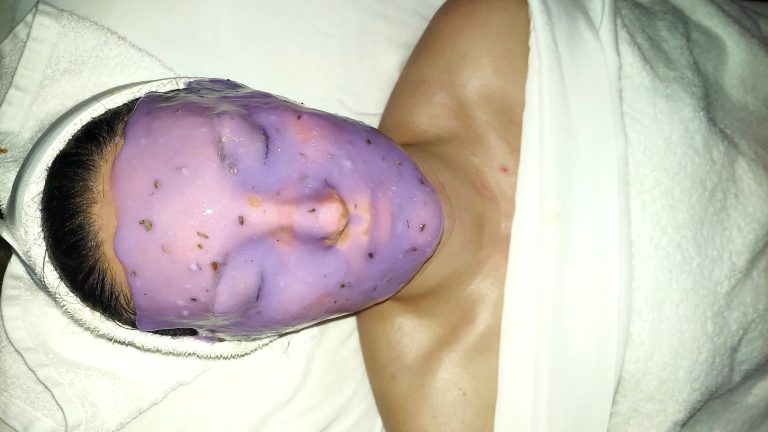
Thanks to their alginate base, jelly masks form an occlusive seal on the skin. This layer reduces transepidermal water loss, while humectants bind moisture within the stratum corneum. Controlled cooling further supports soothing. As a result, barrier recovery becomes more effective. Examples of how jelly masks lock in moisture include:
- Skin Nourishing Ceramide Jelly Mask — supports barrier reinforcement and dry skin restoration
- Hyaluronic Acid Jelly Mask — supports tissue repair and deeper hydration
What type of hydration is most important after professional treatments?
Barrier-supportive and occlusive hydration are the most crucial types. They focus on reducing TEWL and restoring moisture balance in the stratum corneum. Effective hydration stabilizes the skin environment, supports corneocyte swelling, and promotes barrier recovery.
Professional estheticians often select formulas that combine hydration with barrier reinforcement. For example, the Fountain of Youth Jelly Mask from Luminous Skin Lab supports hydration retention and improves skin elasticity. This makes it appropriate for post-treatment skin that requires both moisture stability and structural support.
Can a mask hydrate without preventing water loss?
A mask can deliver moisture and humectants without preventing water loss. However, the effect is typically short-lived. Increased surface hydration accelerates evaporation if occlusion is insufficient, as this occurs due to a higher moisture gradient. It usually results in rebound dehydration after mask peel-off. Hydration paired with evaporation control is the basis of professional treatments.
Formulations that combine humectants with structural occlusion help address this limitation. The Radiance RX Jelly Mask, for instance, supports hydration and promotes barrier stability. and improves overall skin clarity and brightness. This approach helps maintain a balanced hydration environment rather than allowing rapid moisture dissipation.
Why is occlusion critical for dehydration-prone skin?
Elevated TEWL and impaired barrier lipid organization are typical in dehydration-prone skin. Occlusion slows water evaporation and allows humectants to bind and retain moisture within the stratum corneum more effectively. It also creates a microenvironment that supports enzymatic barrier repair processes.
Masks designed for post-treatment recovery illustrate this mechanism well. The Comprehensive Aftercare Jelly Mask forms a protective occlusive layer that helps calm treated skin, reduce visible redness, and soothe inflammation following extractions, peels, waxing, or advanced corrective procedures. It also supports moisture retention and barrier restoration.
How Does Jelly Texture Help Prevent Loss of Moisture?
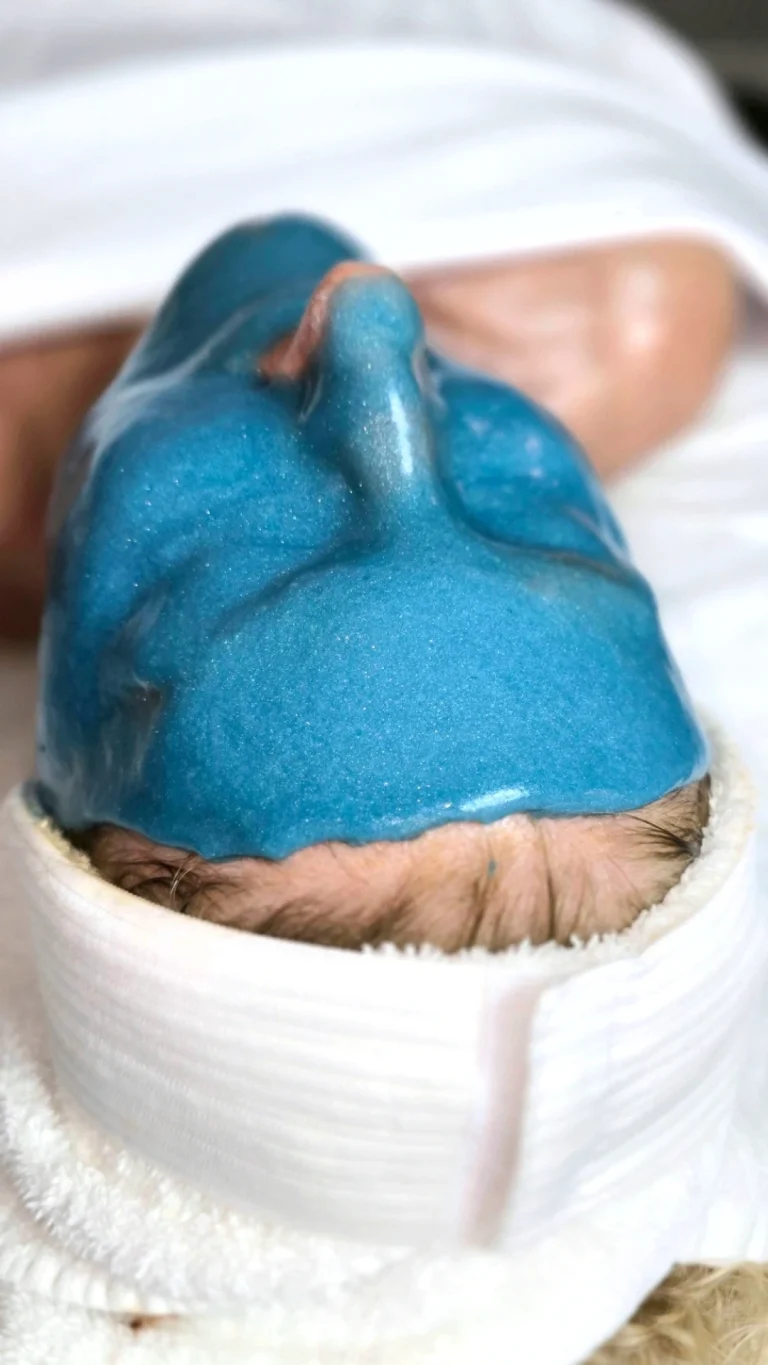
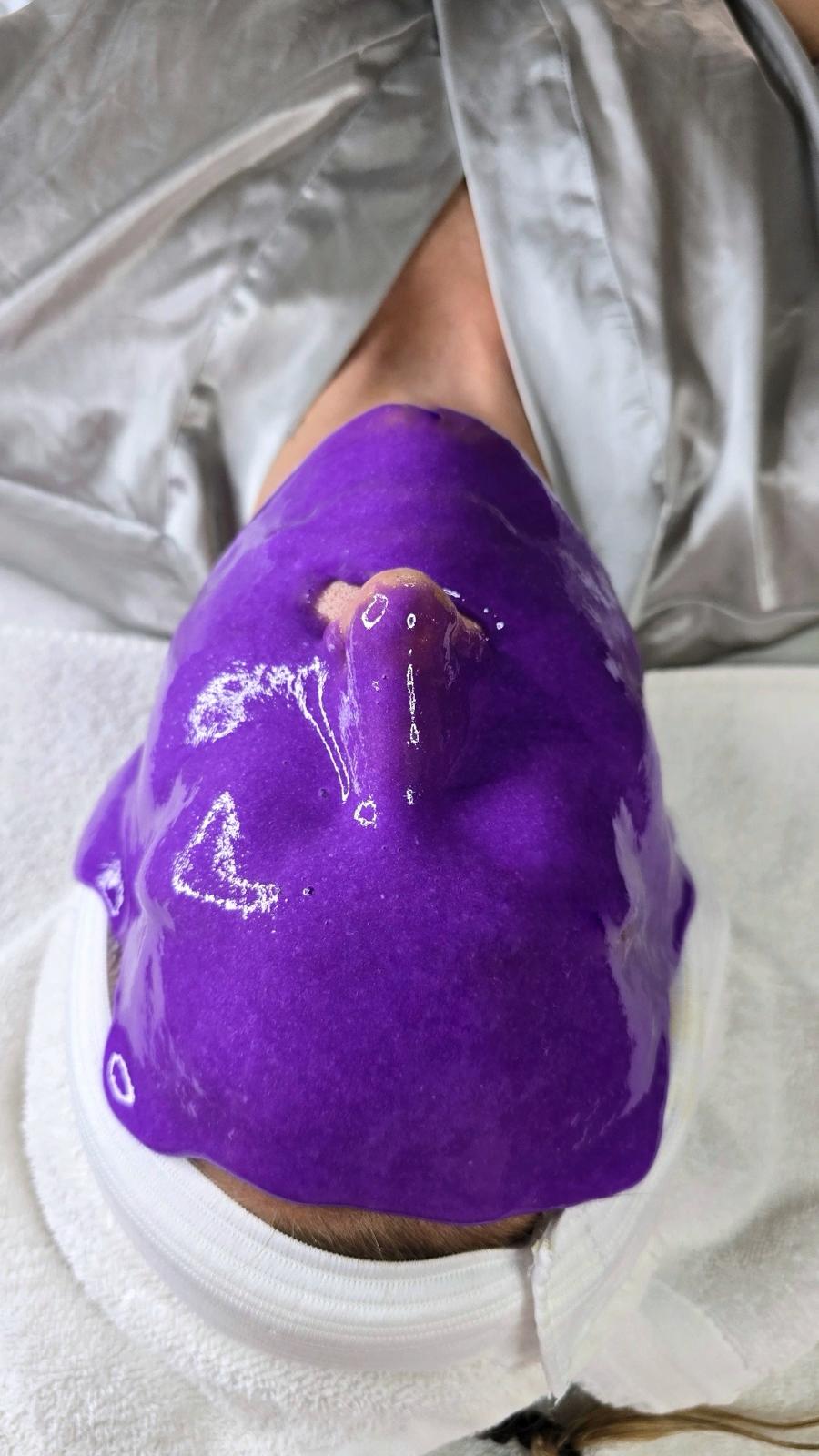
The gelation process is the key characteristic that defines the function of a professional jelly mask. Alginate polymers come into contact with water after activation. Their interaction results in a cohesive, skin-conforming matrix. It adapts to facial contours and reduces air exposure. Evaporation across the treated area is reduced as well.
Absorbent mask formats typically pull moisture upward into fabric fibers.
By contrast, an occlusive jelly mask creates a unified layer. Its thickness remains stable; hydration does not disperse into the mask substrate but remains within the skin.
Luminous Skin Lab formulations rely on controlled alginate quality, predictable setting time, and peel-off integrity as the basis for consistent hydration retention. The jelly structure of these products supports prolonged moisture contact and may enhance serum absorption:
- Fountain of Youth Jelly Mask — boosts moisture levels and helps the skin appear plumper.
A rejuvenating PolyLuronic™ formula designed to visibly smooth fine lines, calm inflammation, balance oil production, and revive dull, blemish-prone skin while delivering a healthy, radiant glow. - Radiance RX Jelly Mask — supports the barrier against moisture loss and improves hydration retention in skincare.
An advanced brightening formula that targets discoloration, boosts clarity, and evens skin tone with arbutin, tranexamic acid, and botanical brighteners, while PolyLuronic™ delivers deep hydration and barrier support.
Why does a peel-off mask retain hydration longer than absorbent masks?
Peel-off masks form a continuous, flexible layer that acts as a semi-occlusive barrier. This structure limits water evaporation throughout the treatment. Absorbent masks lose moisture as their carrier material dries, which reduces hydration retention efficacy. Jelly masks, therefore, maintain more consistent hydration levels. For example, the Skin Nourishing Ceramide Jelly Mask forms a structured occlusive layer that supports barrier integrity and helps maintain hydration throughout the treatment period.
Does mask thickness affect water retention?
Yes. A sufficiently thick layer provides uniform hydration and helps prevent edge drying. The treatment environment remains more stable. Overly thin applications lead to premature evaporation, while excessive thickness may cause discomfort or produce unpredictable outcomes. A balance between occlusion and client comfort is a reliable indicator of optimal thickness. Masks with predictable gel formation, such as the Fountain of Youth Jelly Mask, help estheticians achieve this balance by creating an even, adaptable layer that supports sustained hydration.
How does facial contour fit influence hydration outcomes?
Proper contour fit ensures consistent skin contact and even occlusion across all treatment zones. Masks that fit poorly allow air to reach the skin and increase localized TEWL. Professional masks are designed to adapt to facial anatomy for this reason. Alginate-based formulations, such as the Comprehensive Aftercare Jelly Mask demonstrate this adaptability by conforming closely to facial contours to support uniform hydration and post-treatment comfort.
Temperature and the Setting Effect in Skin Hydration – Do They Matter?
Temperature modulation plays a critical role in the perception of hydration and post-treatment comfort. Jelly masks provide a controlled cooling effect during the setting phase. They also support vasoconstriction without causing shock or barrier stress.
Thanks to this cooling property, such products help reduce erythema, calm reactive skin, and support post-procedure recovery. They are less aggressive than cryo-based applications. Jelly masks help maintain a gradual temperature balance through electrolyte-supported hydration systems and controlled polymer setting.
Examples of formulas that help stabilize the skin environment include:
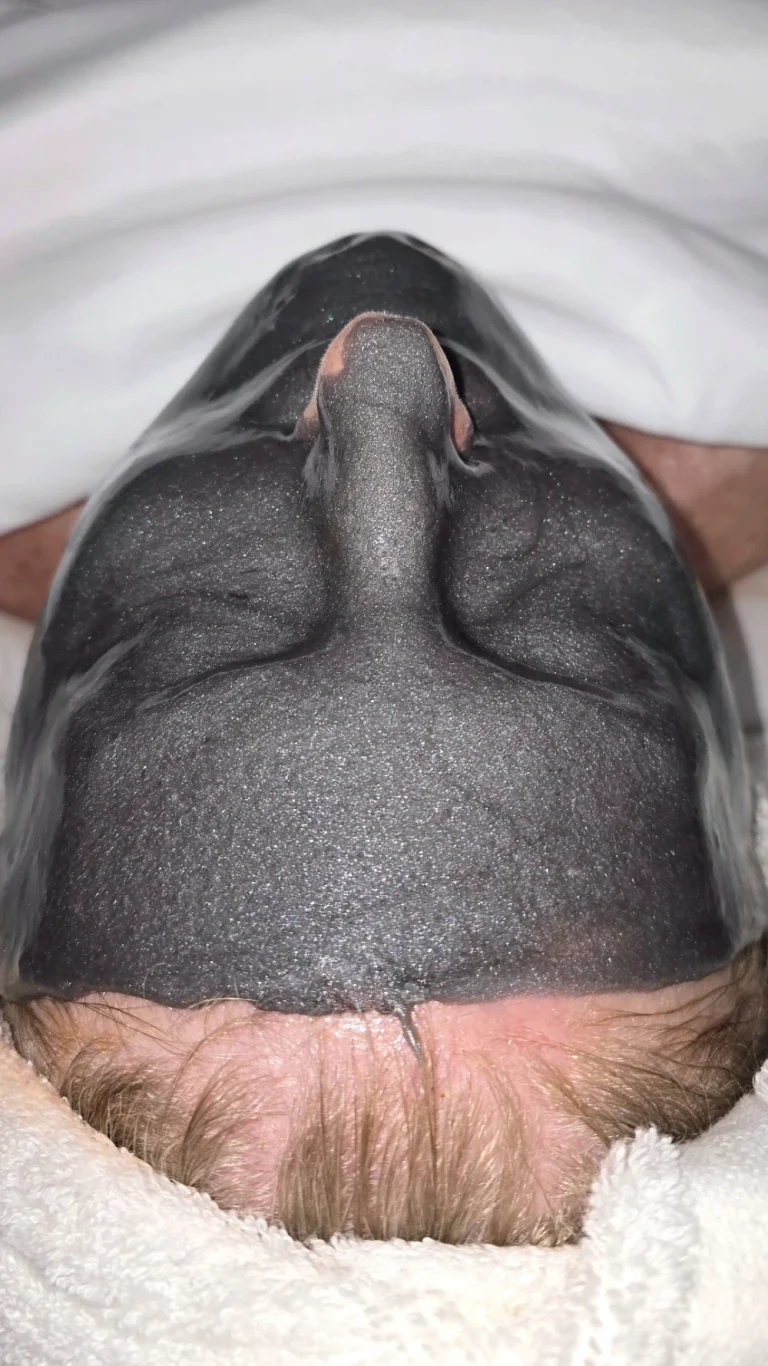
- Epic Blue Glacier Jelly Mask — Soothes the skin while delivering instant cooling hydration to calm inflammation, reduce redness, and support faster post-treatment recovery.
- Comprehensive Aftercare Jelly Mask — Integrates calming, barrier-supportive hydration to reduce redness and support skin recovery.
Why do cooling masks feel more hydrating to clients?
Cooling masks reduce sensory nerve activity and decrease perceived inflammation. Their structure delivers an immediate sensation of relief and hydration. Cooling may also transiently reduce TEWL, enhancing comfort during treatment. Formulations designed with temperature-modulating properties, such as the Epic Blue Glacier Jelly Mask from Luminous Skin Lab, help soothe heat-stressed skin while supporting hydration stability during the post-treatment phase.
How does application time influence treatment comfort?
Proper setting timeframes allow the mask to achieve optimal occlusion. In this case, the formulation maintains flexibility and comfort. Insufficient time reduces occlusive efficiency, while over-setting may result in discomfort or excessive cooling. Estheticians adjust application time according to formulation characteristics and the client’s skin condition.
Can excessive cooling disrupt post-treatment recovery?
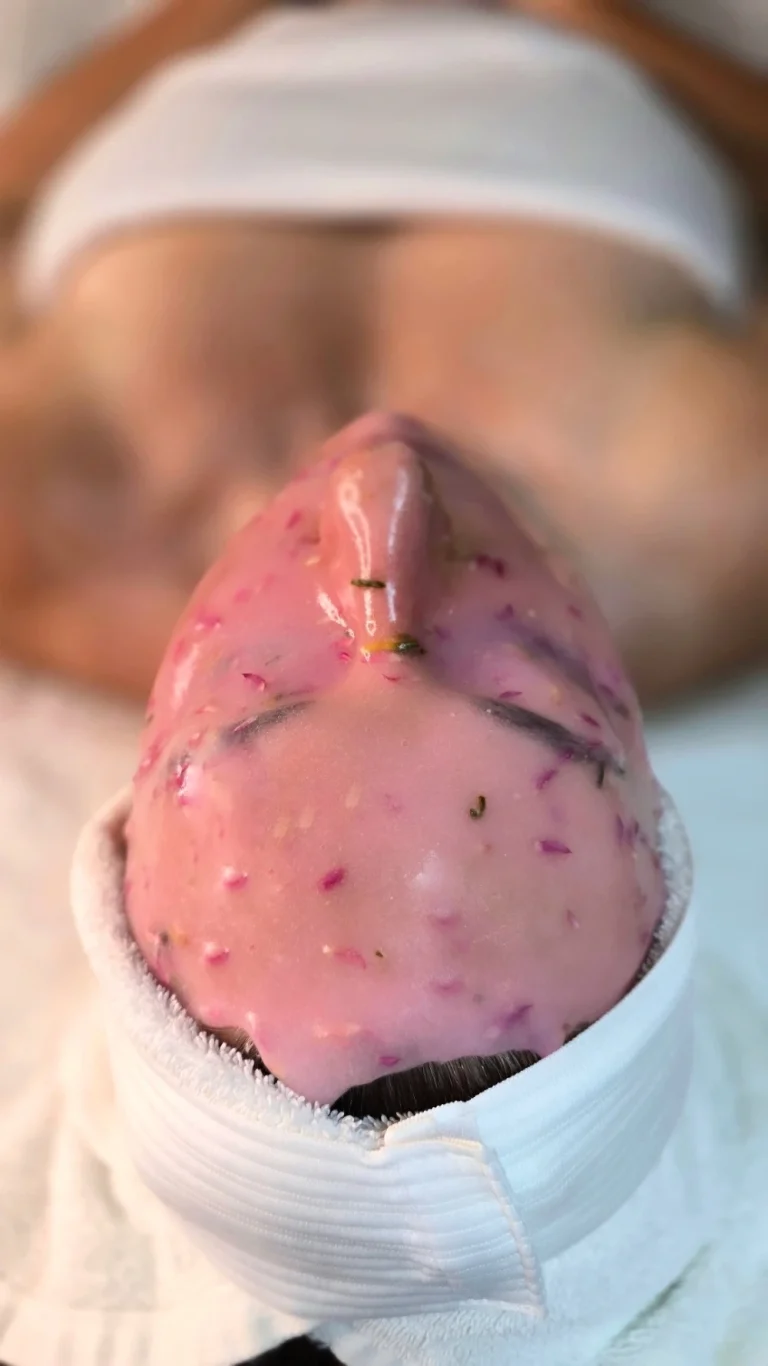
Yes. Excessive or prolonged cooling may have a negative impact. Overcooling can impair microcirculation and reduce oxygen and nutrient delivery, which are vital for barrier repair. It may also slow enzymatic processes involved in lipid reorganization. Cooling should remain proportional to treatment intensity. Balanced formulas like the Divine Egyptian Rose Jelly Mask provide gentle calming support without creating thermal stress, making them appropriate for sensitive or recovery-focused treatments.
Which Ingredients Matter Most in a High-Quality Jelly Mask?
The effectiveness with which ingredients in a mask prevent moisture loss depends on functional synergy (often even more than on the concentration of individual components). Thus, when we speak about high-quality formulations, we understand that they include ingredients that support structure, hydration binding, and barrier stability.
| Core Ingredient | Primary Function in Jelly Masks |
| Alginate Base | Forms an occlusive matrix that locks in hydration and adapts to facial contours |
| Polyglutamic Acid (PGA) | Binds water efficiently and enhances hydration retention |
| Hyaluronic Acid (HA) | Supports tissue elasticity and maintains water balance. |
| Electrolytes (Potassium, Sodium, Magnesium, Chloride, Phosphate, Calcium) | Help maintain osmotic balance and support hydration stability |
| Ceramides, Niacinamide, Antioxidants | Reinforce barrier function and support recovery processes |
PolyLuronic™ technology combines PGA and HA. This combination improves moisture binding and supports transdermal hydration stability beyond HA alone. Electrolyte-rich systems across the Jelly Masks collection further support hydration balance and nutrient absorption.
The Skin Nourishing Ceramide Jelly Mask and the Luminous LED Light Jelly Mask are examples of formulas that focus on water retention rather than superficial hydration. This makes them appropriate for barrier repair and dehydration-focused protocols.
Why does ingredient synergy matter more than concentration?
In fact, hydration efficacy depends not only on a product’s composition. One of the key roles is played by the interaction between the base, humectants, occlusive agents, and soothing components. Moreover, without this synergy, a high concentration of active ingredients may instead cause harm, leading to irritation or destabilizing the formulation. Only balanced systems can provide an adequate level of hydration while supporting skin tolerance.
For example, this principle can be observed with the Triple Antioxidant Goji Jelly Mask. It combines hydration support with antioxidant protection and helps the skin remain resilient during and after treatment.
Which Ingredients Should Be Avoided in Low-Quality Jelly Masks?
Naturally, it is important for professionals to understand what a product contains and to examine formulations carefully. Low-quality jelly masks may include unstable fillers, inconsistent alginate grades, or ineffective hydration-binding systems, all of which can negatively affect treatment outcomes. For example, this may lead to uneven setting, cracking during removal, or compromised occlusive integrity.
Low-quality alginate may result in insufficient seal formation, reducing the mask’s ability to retain hydration. Moisture stability weakens further when the necessary synergy between hydrating components is absent. Inconsistent sourcing is another factor that can cause variability in results from one batch to another.
Luminous Skin Lab avoids these issues by adhering to professional facial hydration standards. The brand focuses on:
- Controlled ingredient sourcing
- Professional-only formulation protocols
- Consistency across activation and setting phases
These practices help ensure predictable hydration performance in clinical environments.
Can poor alginate quality affect hydration results?
Mask performance depends significantly on alginate quality. Low-grade components spread unevenly and often lose moisture rapidly, resulting in reduced occlusive efficiency. By contrast, professional-grade alginates provide predictable setting behavior and consistent application outcomes.
Why is ingredient sourcing important in professional masks?
Component selection affects purity, molecular consistency, and contamination risk. Variability can alter setting time, hydration performance, and skin tolerance. Controlled sourcing is a critical attribute of professional formulations because it supports reproducibility.
Are all jelly mask formulas appropriate for professional use?
Not necessarily. Many jelly masks are designed for cosmetic or retail use rather than clinical application. Professional-use masks prioritize controlled occlusion, formulation stability, higher percentages of active ingredients, and compatibility with advanced treatments. Jelly texture alone is not an indicator of a high-quality product.
The Luminous Skin Lab Jelly Masks collection, developed exclusively for licensed professionals, reflects these clinical standards across the entire range. Each formula is built on an alginate-based structure and supported by hydration-binding systems, electrolyte balance, and predictable activation behavior.
How Does Ingredient Quality Influence Visible Results in Professional Treatments?
Formulation integrity contributes to positive visual outcomes. Hydration remains stable under occlusion, so the skin appears plumper, smoother, and more balanced. Recovery time may improve, and post-treatment sensitivity may decrease.
Ingredient quality also impacts client comfort and satisfaction. Masks such as the NAD Longevity Jelly Mask support DNA repair and help reduce the appearance of fine lines, while the Fountain of Youth Jelly Mask emphasizes hydration, plumping, and hydration retention.
Thanks to predictable performance, practitioners integrate jelly masks confidently into treatment protocols without compromising timing and while achieving expected results. These products are effective within advanced facial and medspa treatments.
Why do some jelly masks give inconsistent results?
Differences in formulation quality often lead to variability in outcomes. Unstable gelling agents, insufficient matrix-forming performance, or uneven humectant distribution may produce suboptimal effects. Lower-grade bases may lose moisture prematurely or set inconsistently. As a result, skin response may vary between treatments, and hydration levels may become inconsistent.
FAQ
Yes, absolutely. When components are selected correctly, the risk of irritation is minimized. Moreover, this supports more effective restoration of the skin barrier after procedures. Low-quality ingredients, by contrast, may lead to increased sensitivity and prolong erythema. Dehydration may also occur following treatment. Thus, how quickly the skin returns to homeostasis depends directly on ingredient quality.
Effective occlusion and controlled hydration delivery help professional jelly masks reduce moisture loss. They form a stable semi-occlusive gel matrix over the skin that functions as a physical barrier, limiting TEWL and slowing evaporation.
The matrix-forming base typically consists of alginates. Active components often include polyglutamic acid, hyaluronic acid, electrolyte-rich systems, and antioxidants. Formulas may also incorporate niacinamide, cooling agents, or botanical extracts.